
Net Zero Conversations
The most recent IPCC reports make it clear: our planet is warming at a rate faster than anything experienced in the last 2,000 years. If global temperatures rise to 1.5°C

The most recent IPCC reports make it clear: our planet is warming at a rate faster than anything experienced in the last 2,000 years. If global temperatures rise to 1.5°C
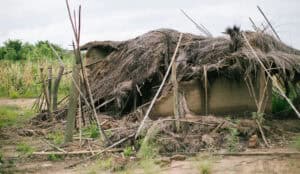
Our planet has witnessed a dramatic increase in the number of natural disasters. Changes in climate conditions, especially the rise in global temperatures, have made weather patterns not only more

Gender-based violence (GBV) remains one of the most prevalent forms of human violation. It disrupts and destroys the peacefulness of communities and has severe long-term psychological effects on victims. GBV
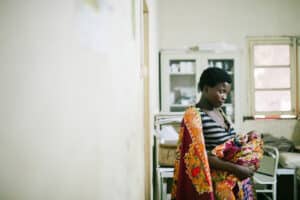
Over the years, addressing poverty in all its aspects has remained one of the world’s biggest challenges. While the number of people living in extreme poverty fell significantly over several
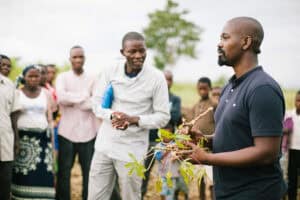
If you’re wondering how to stop climate change and what difference your individual choices can make, there are practical steps you can take. From the energy we use to the
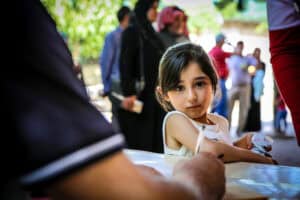
Today, more than 117 million people worldwide have been forcibly displaced by conflict, violence, and persecution. Of these, over 41 million are refugees who have fled across borders in search
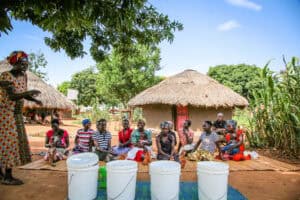
Sustainable community development is about helping communities build healthy, resilient futures that support people, local economies, and the environment for generations to come. Strong communities are the foundation of a

Climate change is one of the biggest challenges facing our world today. Among its many impacts, it poses a growing global threat to food security and to farmers’ livelihoods. As
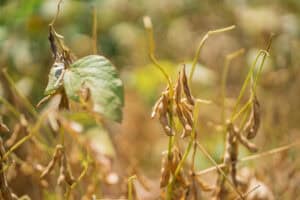
Climate change is one of the most urgent global challenges of our time. Rising temperatures, shifting weather patterns, and ecological disruption are already affecting communities worldwide—especially those most vulnerable. Understanding
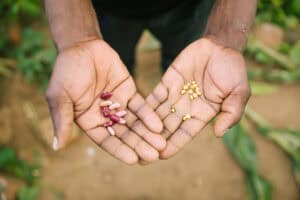
Every year, hundreds of millions of people experience food insecurity, with the most vulnerable—including women, children, and older adults—bearing the greatest burden. Even before the COVID-19 pandemic, global hunger had
