
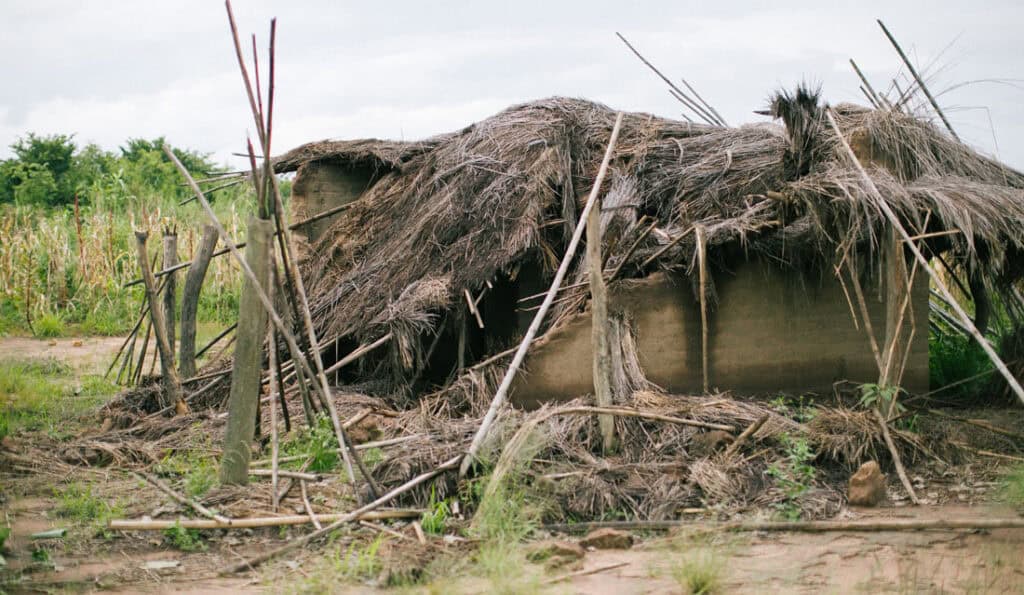
Our planet has witnessed a dramatic increase in the number of natural disasters. Changes in climate conditions, especially the rise in global temperatures, have made weather patterns not only more extreme but also more frequent.
As these natural disasters increase, vulnerable communities are often left struggling through a variety of challenges and aren’t always provided the support they need. As we face more intense and frequent natural disasters, what can we do to increase safety and prepare for uncertainty?
The impact of natural disasters
Natural disasters can have a life-changing impact on individuals and families fortunate enough to survive. At larger scales, they can affect communities, cities, and entire countries.
In a 2020 World Disasters Report, it was estimated that over the past 10 years, natural or climate-related disasters impacted more than 1.7 billion people. In addition, these disasters took the lives of at least 410,000 people—most of whom were from low- and middle-income countries—and left millions of people displaced or homeless each year.
These climate-related disasters wreak havoc on communities around the world. They destroy homes and property, drain financial resources, cause injuries, and contribute to the spread of illness. Stressors such as these place people at risk not only for physical health challenges, but also for emotional and mental trauma.
Increasing awareness, education, preparedness, and early warning systems can significantly reduce the catastrophic impact of natural disasters on communities. Let’s look at some practical ways to reduce that impact.
What can you do to help reduce the impact of natural disasters?
Natural disasters such as earthquakes, tornadoes, tsunamis, floods, hurricanes, and volcanic eruptions are impossible to prevent. These events are the result of natural climatic and geological processes.
However, while we can’t stop natural phenomena, we can reduce the damage they cause. Awareness and education are fundamental to reducing the impact of natural disasters.
Here are a few ways you can make a difference:
1. Educate yourself and those around you
Understanding the types of natural disasters most likely to occur in your region is an important first step. Knowing the risks in advance helps individuals and families prepare, respond safely during an emergency, and take informed action afterward.
There are many ways to support education and preparedness, including:
- At home – Talking together about emergency plans, identifying safe spaces, and preparing emergency kits can help households respond more calmly and effectively during a disaster.
- At school – Schools play an important role in teaching children how to recognize hazards, prepare for emergencies, and respond appropriately during a disaster.
- In the workplace – Employers can help protect staff by ensuring people understand evacuation routes, emergency procedures, and where to access first-aid or medical kits.
- Within the community, hospitals, churches, and other local organizations can also help promote disaster preparedness and planning.
2. Support mitigation programs
While education is essential, mitigation measures help prevent and reduce the actual damage caused by disasters. Mitigation involves actions taken in advance to lessen the disruptive impact of disasters on communities.
Examples of mitigation efforts include:
- Resilient construction – The design, construction, and location of critical buildings such as schools and hospitals should take disaster risks into account. These buildings often serve as shelters and medical centres during emergencies and play a vital role in a community’s recovery.
- Protection of cultural properties – Cultural spaces such as libraries, museums, and historic buildings also deserve protection, as they contribute to community identity and continuity.
- Community-based mitigation training – Training programs can help communities plan for disasters through land-use planning, zoning, and other risk-reduction strategies.
While communities may sometimes be hesitant to invest in mitigation due to cost, these programs have consistently proven effective in reducing the long-term impact of natural disasters.
3. Reduce waste and recycle more
Many everyday choices affect the environment and the future of our planet. Excess waste and low recycling rates contribute to climate change, which in turn increases the frequency and severity of natural disasters.
Recycling and responsible consumption conserve energy and reduce greenhouse gas emissions from landfills. In short, reducing waste is one practical way individuals can contribute to climate resilience.
Simple changes that can make a difference include:
- Switching to reusable cups and bottles – Even recyclable items require significant energy to produce and transport. Reusables reduce waste and can save money over time.
- Avoiding single-use plastics – Choosing reusable alternatives, such as metal straws or refillable containers, helps reduce the amount of plastic ending up in landfills and waterways.
- Buying second-hand clothing and furniture – Reuse keeps items out of landfills and reduces the environmental impact of new production. Fast fashion, in particular, has significant environmental costs tied to both manufacturing and disposal.
Our disaster response
Over the last decade, World Renew’s Disaster Response Service and International Disaster Response teams have provided immediate assistance to more than six million disaster survivors. Every disaster impacts communities differently, and World Renew responds in ways that reflect each community’s unique needs.
Our work includes addressing emergency needs such as food, shelter, and medical supplies; assessing community vulnerabilities and strengths; and walking alongside local leaders as they rebuild. Together, we aim to support recovery efforts that help communities become stronger and more resilient than before.
When hurricanes Eta and Iota swept across Latin America in late 2020, World Renew partnered with communities to provide food, clean water, and temporary shelter to those affected. You can read more about our disaster response work here.
Let’s work together for a safer world
We wouldn’t be able to walk alongside communities affected by disasters without the support of people like you.
You can support World Renew’s disaster response efforts by learning more about our programs or making a donation to help bring relief, recovery, and long-term hope to families affected by natural disasters.
