
The choices we make every day have a big impact on our climate. Our planet is facing one of the biggest and most complex environmental challenges of our time. As the global climate worsens, we are experiencing intensifying weather conditions that put people and ecosystems at risk around the world. Extended droughts strain food crops, communities face more frequent floods, and we continue to lose animal and plant species—among many other impacts.
The fight against climate change may seem daunting for one individual, but every choice makes a difference in this global issue. In this article, we’ll look at six practical ways you can help stop climate change.
What is climate change?
Climate change refers to long-term changes in global weather conditions and atmospheric patterns. These changes contribute to melting glaciers, rising sea levels, and more extreme weather events such as hurricanes, heatwaves, and floods.
How climate change has evolved over the years
Earth’s climate has always changed over time. Historically, these changes were driven by natural occurrences such as volcanic eruptions, variations in the Earth’s orbit, and movements of tectonic plates.
Over the past million years, the planet has experienced both ice ages and warmer periods and has generally been able to regulate itself. However, the addition of large-scale human activity has dramatically accelerated these changes.
Since the Industrial Revolution in the 1800s, global temperatures have risen sharply. The widespread burning of fossil fuels—such as coal, oil, and gas—has released large amounts of heat-trapping gases into the atmosphere, disrupting the planet’s natural balance.
Although we cannot stop global warming overnight—or even within the next few decades—reducing the harmful impacts of human-caused emissions must happen now, before the consequences become even more severe.
Let’s look at some practical ways you can help fight climate change.
What can you do that will make a difference?
Through initiatives like World Renew’s Climate Witness Project, churches and community groups are supported as they reflect, learn, and take meaningful climate action within their unique local contexts. In addition to collective efforts, here are several individual choices that can help make a difference.
1. Choose renewable energy options
Energy use is one of the most pressing concerns in the fight against climate change. A significant share of global greenhouse gas emissions comes from burning fossil fuels for electricity, heating, transportation, and manufacturing.
To reduce your personal emissions, explore alternatives to conventional electricity sources where available. Renewable options such as solar, wind, and hydropower are becoming increasingly accessible and affordable in many parts of the world.
In some regions, utilities and energy providers also offer options to support or purchase electricity generated from renewable sources. Exploring these options can make a meaningful long-term impact.
2. Eat more plants
Food choices play an important role in climate change. Eating less meat—or choosing more plant-based meals—can significantly lower greenhouse gas emissions and reduce your environmental footprint.
Meat and dairy production contribute substantially to global emissions, particularly beef production. Shifting toward more plant-based foods can benefit both the planet and personal health. Research also shows that diets rich in plant-based, high-fibre foods can support overall wellbeing.
Whenever possible, choose locally grown, seasonal foods to reduce emissions associated with transportation and storage.
Simple ways to make your diet more climate-friendly include:
- Growing some of your own food
- Choosing meat-free meals more often
- Reducing food waste
- Buying organic and locally produced foods whenever possible
3. Rethink your transportation choices
Vehicles contribute significantly to greenhouse gas emissions, and air pollution from transportation also affects human health.
When possible, choose to walk, cycle, or use public transportation. These options reduce emissions while improving physical and mental wellbeing. For longer trips, consider ride-sharing or combining errands to reduce fuel use.
Small changes in how we travel can collectively add up to a large impact.
4. Protect and create green spaces
Forests and other green spaces play a crucial role in absorbing carbon dioxide and reducing air pollution. Parks, gardens, and natural areas also support biodiversity and community wellbeing.
If you have access to outdoor space, consider keeping it green rather than replacing it with pavement or artificial surfaces. Even small actions—such as planting trees, maintaining gardens, or adding potted plants to balconies or windowsills—can make a difference.
5. Use your voice
Raising awareness is one of the most powerful tools in responding to climate change. Learning about climate issues and sharing that knowledge within your community can inspire others to act.
Pay attention to how community leaders and decision-makers address environmental concerns, and participate in civic initiatives that promote care for creation. Advocacy, education, and collective action help build momentum for meaningful change.
6. Reduce energy use and support cleaner solutions
Cutting back on fossil fuel use and improving energy efficiency are important steps toward a more sustainable future.
Small adjustments at home can reduce energy consumption and utility costs:
- Lowering the thermostat slightly
- Turning off lights and appliances when not in use
- Using LED or other energy-efficient light bulbs
- Improving insulation and sealing draughty windows and doors
Where possible, switching to cleaner energy options is a practical way to support the transition to renewable energy.
World Renew’s response to climate change
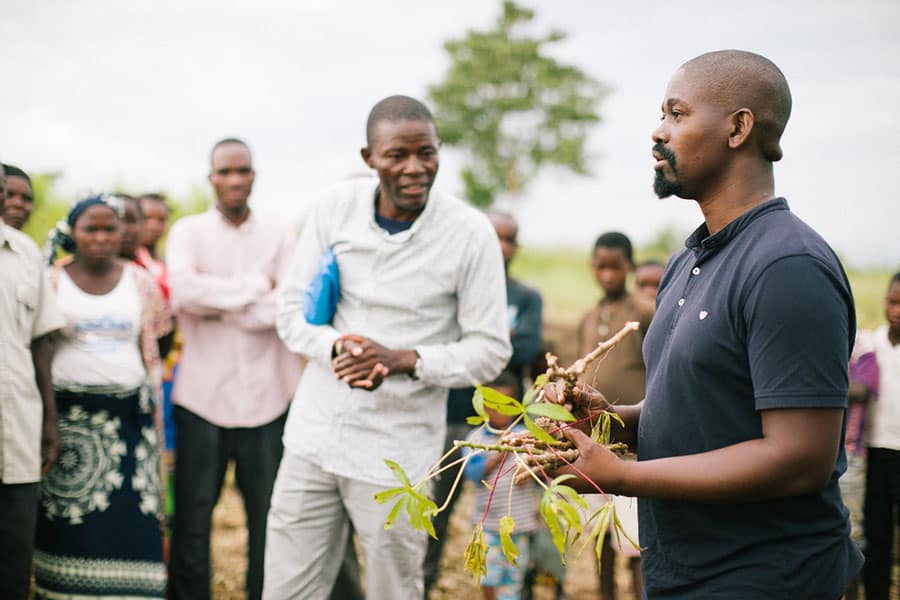
World Renew works alongside families and communities who are already experiencing the impacts of climate-related events. Many households in economically vulnerable regions depend directly on predictable weather patterns to grow food and sustain their livelihoods. Increasingly frequent and severe droughts, floods, and storms place these families at risk of food and income insecurity.
As people of faith, we believe the earth’s resources are gifts from God, entrusted to us for careful stewardship. Loving our neighbours includes caring for creation in ways that ensure present and future generations can thrive.
World Renew partners with churches, organizations, and advocates around the world to respond faithfully and practically to climate challenges—supporting resilience, advocacy, and long-term solutions.
Moving forward together
Responding to climate change requires collective action. By raising awareness, adopting more sustainable lifestyles, and supporting efforts that restore and protect our environment, we can work toward a healthier future.
Through programs like Climate Witness, World Renew continues to walk alongside churches and communities as they seek to care for creation and pursue climate justice.
We’re all in this together.
