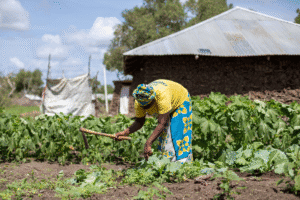
Tanzania: Building a Better Future
Mary Matiku is a 63-year-old farmer and mother living in Bukabwa Village, Tanzania. In 2009, her life took a devastating turn when her husband passed away, leaving her to navigate

Mary Matiku is a 63-year-old farmer and mother living in Bukabwa Village, Tanzania. In 2009, her life took a devastating turn when her husband passed away, leaving her to navigate

Jessica lives in a rural community in Uganda. Like many women in her area, she once relied on what her husband earned as a farmer to care for her family.
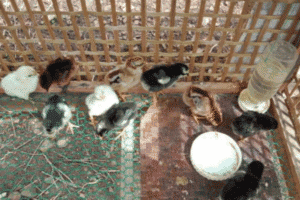
Bee Xiong lives with his wife and children on a small farm, growing sugarcane and raising chickens in Laos. In the past, Bee cared for his chickens using traditional methods
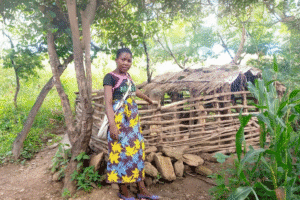
Sara Msowoya, 37, now smiles with confidence. But for many years, this mother of four felt a deep sense of worthlessness. Sara was often left to care for her children

An agricultural training initiative is transforming lives and livelihoods in a farming community in Tanzania. Introduced by World Renew’s local partner, this conservation agriculture program goes beyond traditional farming methods
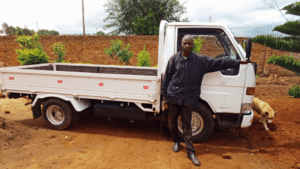
World Renew works with like-minded partners who believe that equipping communities with the training and tools they need to overcome poverty is far more effective than just providing handouts. In
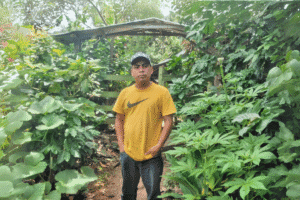
Cristóbal, 39, has lived in Nicaragua for 24 years. Alongside his family, this husband and father cultivates staple grains on rented land, with 0.7 acres for their home, permanent crops,
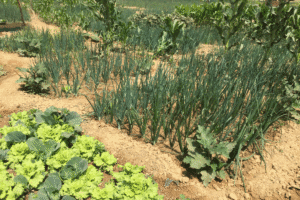
Keche, a farmer in West Africa*, struggled to grow enough food to provide for his family. Despite his hard work, inconsistent rainfall and traditional farming methods resulted in poor harvests.

Terkaa, 45, owns a good-sized piece of farmland in Nigeria, but because of limited resources, he could only cultivate a small area. He could afford only simple tools, like a
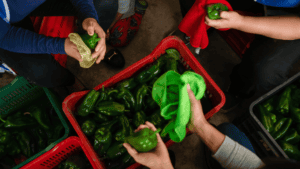
Ferman was just 23 years old when he made a decision that would change his life—and his community—forever. In rural Nicaraguan villages, opportunities can be scarce, but Ferman saw a
