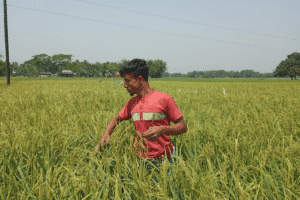
Bangladesh: A New Farming Method Transforms a Farmer’s Life
Nearly half of Bangladesh’s workforce is employed in agriculture, with a large majority of rural households relying on farming for at least part of their income. Yet many farmers still

Nearly half of Bangladesh’s workforce is employed in agriculture, with a large majority of rural households relying on farming for at least part of their income. Yet many farmers still

Machum, 12, lives with his parents and two younger sisters in Bangladesh. He was born with a physical disability and is unable to stand, walk, or eat without help. At
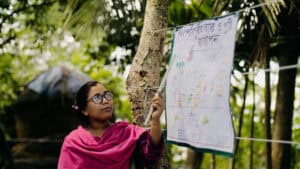
Shati lives in rural Bangladesh. Recently married, she volunteers with World Renew to teach women in her community about nutrition. She is also a farmer and an aspiring businesswoman who
COVID‑19 brought deep challenges to communities around the world, but it also opened space for resilience, adaptability, and shared action. Through one of World Renew’s partners in Bangladesh, members of
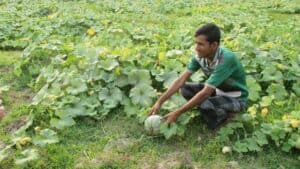
COVID-19 presented many challenges around the world, but it also created opportunities for creativity, resilience, and growth. In Bangladesh, community food security became a priority as families faced lost income

Meet Row Shan, a mother of two in Bangladesh, who has seen her crops grow more reliably through World Renew’s training in sustainable farming practices. For Row Shan, having a
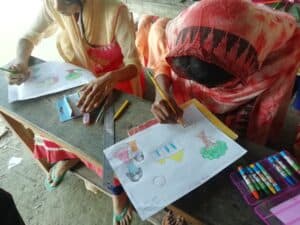
Child marriage robs girls of their childhood, their education, and their future. It remains a reality in many parts of the world, particularly in communities facing deep poverty and food
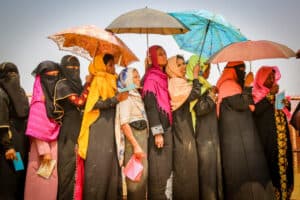
Nurul Amin had the perfect life back in Myanmar: he owned land, an animal farm, a fishing boat, and led a happy life with his family. But he lost everything
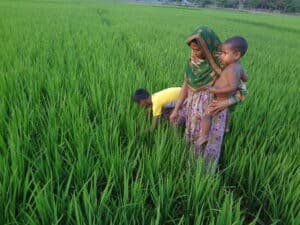
Three years ago, Popy Begum may not have guessed that ducks would change her life for the better. Like many people in rural Bangladesh, Popy was struggling to make a
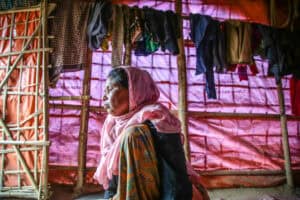
Long before the current COVID-19 pandemic, pregnant women, new mothers, and babies living in places of extreme poverty were already vulnerable to health risks. Approximately 2.7 million newborns die each
