
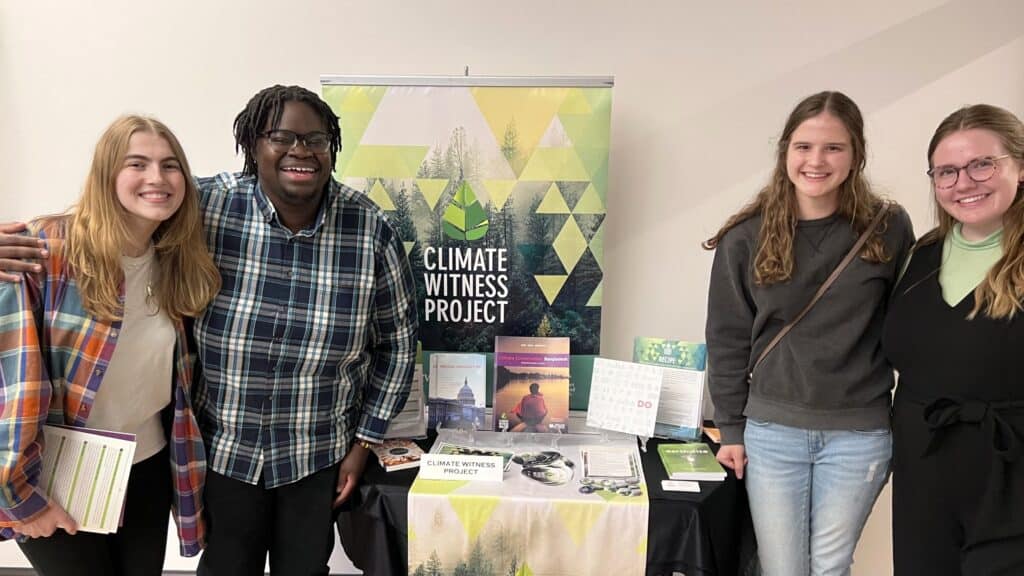
World Renew has received a grant from the Michigan Department of Environment, Great Lakes, and Energy (EGLE) to support the Clean Energy for Sacred Spaces pilot project, an initiative focused on helping houses of worship throughout Michigan improve energy efficiency and reduce greenhouse gas emissions.
Through this pilot project, participating congregations were given the opportunity to pursue energy efficiency improvements and, if sufficient additional funding became available, potentially access solar energy solutions as well.
Addressing Climate Change and Environmental Justice
The Clean Energy for Sacred Spaces project was designed to address two connected challenges: the urgent need to reduce greenhouse gas emissions that contribute to climate change, and the disproportionate impact of the climate crisis on lower-income communities that often have fewer resources to invest in energy improvements. Learn more about the effects of climate change and why vulnerable communities are often most affected.
By helping houses of worship reduce their reliance on fossil fuels for electricity, heating, and cooling, the project aimed to lower energy costs while contributing to a healthier environment. These efforts reflect practical steps churches can take toward creation care and environmental stewardship. Read more about helping churches care for creation.
Kris Van Engen, Justice Mobilizer with World Renew, notes that past environmental injustice makes this type of grant especially important.
“One of the stories that’s gotten deserved attention through the black lives matter movement is the story of how environmentalists’ efforts have historically ignored both the reality of environmental racism and the potential leadership contributions towards solutions from communities of color. We expect that this grant will be a resource for and bring deserved positive attention to leaders who are already making a difference on environmental justice issues in their communities.”
In addition to supporting potential access to solar energy and Energy Star certification, the project helped congregations identify opportunities to reduce utility costs. Savings generated through energy efficiency improvements can enable houses of worship to direct more resources toward community programs and services.
According to Richard Killmer, a consultant with the Climate Witness Project, the initiative also offered a practical model for future net-zero efforts across Michigan and beyond.
“This [grant] project will provide a model for government agencies, denominations…and philanthropists that want to help low-income congregations reduce their greenhouse gas emissions. They too can financially support the efforts by low-income congregations to achieve energy efficiency consequently reducing their emissions.”
The project also demonstrated how local institutions can contribute to broader climate solutions through energy conservation and renewable energy adoption. Explore additional ways communities can help stop climate change.
How Clean Energy for Sacred Spaces Supports Churches
World Renew’s Climate Witness Project provided consultation and support throughout the initiative, helping houses of worship navigate the application process and pursue energy efficiency goals.
Michigan Governor Gretchen Whitmer welcomed the project, stating:
“Houses of worship are often at the heart of community life, and the Climate Witness Project will help them save money and more effectively serve their neighborhoods. With these EGLE grants, congregations can invest in climate-friendly building upgrades and focus their resources on offering vital services to families and neighbors instead of paying high electric and gas bills. We will continue working together to lower costs and build a healthy, prosperous clean-energy future with faith communities and all sectors of our society and economy.”
For more than seven years, World Renew’s Climate Witness Project has helped organizations across North America conduct energy efficiency audits and implement practical improvements. Four Christian Reformed congregations, along with the CRCNA headquarters, have achieved Energy Star certification. The project has also encouraged the adoption of renewable energy solutions, including solar installations. One church partner in Grand Rapids developed an extensive solar array that provides much of the building’s energy needs.
The opportunity to provide affordable energy efficiency solutions to houses of worship in lower-income neighbourhoods is one that Richard Killmer believes is especially significant.
“Low-income people in the US are also those who confront the climate crisis first and foremost. They do so at the same time they experience inequitably environmental degradation which often confronts them where they live and work.”
Van Engen agrees, highlighting the essential role faith communities play in strengthening neighbourhoods.
“Houses of worship in lower income communities in Michigan make significant impacts in the neighborhoods where they serve. They battle food insecurity, speak out for racial justice, help residents gain access to clean water, as exemplified during the Flint water crisis, and constantly partner with other organizations to contribute to positive change efforts in their communities. The state of Michigan has been doing great work reducing greenhouse gasses and energy costs and if these community focused houses of worship can be part of those investments it’s a win-win for their neighborhoods and the environment.”
Climate change affects communities around the world, including those whose livelihoods depend on stable growing conditions and access to natural resources. Learn more about the impact of climate change on agriculture and food systems worldwide.
Continuing the Work of Creation Care
Applications for the Clean Energy for Sacred Spaces grant opened in June 2022 and are now closed. The project remains an example of how faith communities, government partners, and local leaders can work together to reduce emissions, lower energy costs, and strengthen neighbourhood resilience.
World Renew continues to equip churches and communities to pursue creation care, climate justice, and community development initiatives. To learn how your congregation can get involved in similar efforts, visit our Church Engagement page.
You can also discover upcoming opportunities to connect, learn, and take action through World Renew events.
