
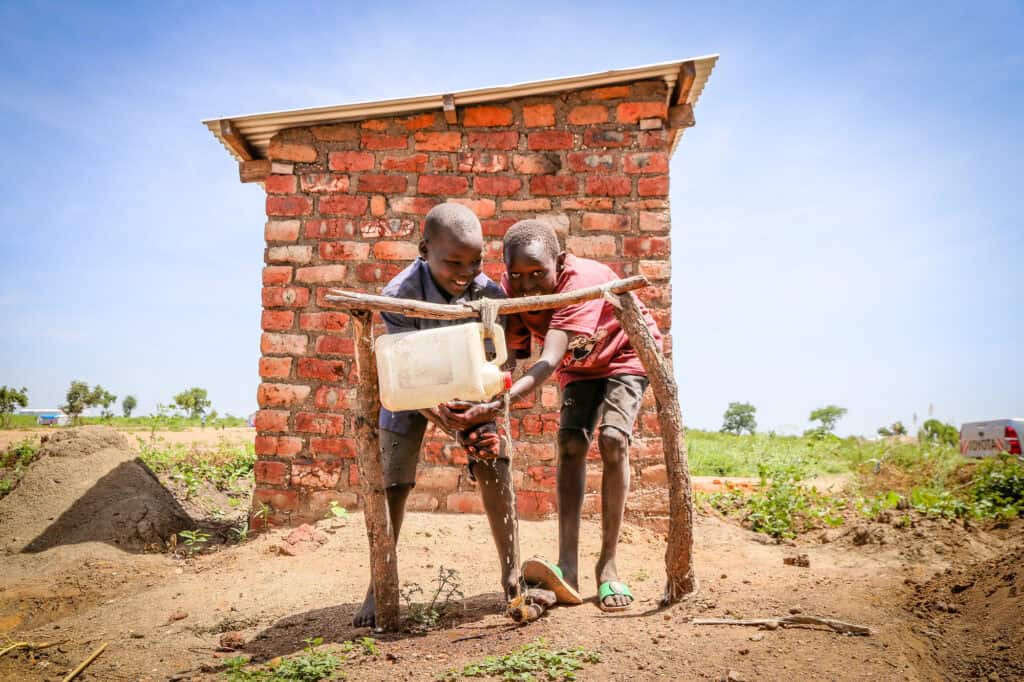
Community development is a process in which people within a community work together to take collaborative action to respond to shared challenges.
The main goal of community development is to help build diverse and sustainable communities—communities centred on justice, equality, and mutual respect.
In recent years, many communities around the world have faced significant setbacks. Global health crises, conflict, economic instability, and rising international tensions have caused some communities to lose hard‑won gains and, in some cases, slip back into poverty. This reality underscores the continued importance of thoughtful, community‑led development work.
In this article, we’ll provide an overview of community development and share ways you can support vulnerable families.
The five principles of community development
There is no one‑size‑fits‑all solution when it comes to addressing challenges within communities. Effective development work takes a community‑led approach, guided by the following principles:
- Human rights – Families and individuals within a community have the right to actively participate in shaping the development of their own communities.
- Inclusivity – Collaboration and the exchange of knowledge are essential for meaningful and lasting change.
- Empowerment – People should be able to manage and exercise authority over their own assets and resources.
- Self‑determination – Communities have the right to make decisions about what happens in their environment and daily lives.
- Collective action – Positive change happens when individuals and groups come together around shared goals.
The goals of community development include:
- Empowering individuals, families, and communities from the ground up
- Maximizing the participation of community members and local leaders
- Working in partnership with communities to strengthen health, social, and livelihood systems
- Fostering a sense of local ownership and shared responsibility so communities can identify and address their own needs
- Tackling root causes of vulnerability, including poverty, inequality, and exclusion
The importance of community development
Community development is essential because it provides communities with the tools and resources needed to build stronger livelihoods. It helps create liveable and sustainable communities that can attract and steward resources, support local economic activity, and respond effectively to social challenges.
When community development is implemented well, communities may experience reduced crime, improved economic stability, better employment opportunities, and healthier social outcomes—particularly for children and marginalized groups.
Across the communities where World Renew works, women and men are strengthening their livelihoods through social and economic activities, such as diversifying crops, starting small businesses, and working together to support their families.
When to use community development
When supporting communities through our programs, three key objectives guide our work:
- Address social and community challenges – Strengthening community cohesion can reduce isolation, improve mutual support, and build healthier environments for children, older adults, and families.
- Support isolated communities – Community development can help overcome isolation by strengthening social connections and resilience, particularly in communities experiencing crisis or transition.
- Partner with disadvantaged communities – By building social capital and inclusion, development efforts can help mitigate some of the impacts of poverty and exclusion.
These objectives respond to common challenges faced by under‑resourced communities, explored further below.
Challenges in underdeveloped communities
Poverty, illiteracy, and unemployment
Indigenous peoples remain disproportionately affected by poverty, limited access to education, and unemployment worldwide. Today, an estimated 370–500 million Indigenous people live in more than 90 countries. Although they make up roughly 5% of the world’s population, they represent approximately 15% of people living in extreme poverty and a significant share of those affected in rural areas.
Limited access to education and literacy continues to be a major challenge in many communities. For this reason, long‑term literacy programs are an important part of World Renew’s community development efforts, helping individuals gain skills that open doors to greater opportunity.
Lack of access to healthcare
Many under‑resourced communities face ongoing barriers to affordable, quality healthcare—particularly in rural areas. These challenges are often compounded by shortages of trained healthcare providers, aging populations, economic constraints, and higher burdens of disease.
Strengthening access to healthcare remains a critical element of community development. World Renew works alongside local partners to support health systems and equip communities to better care for one another, especially during times of crisis.
Suicide, violence, and incarceration
Rates of suicide, violence, and incarceration are often higher in communities experiencing long‑term marginalization and social exclusion. Substance use and mental health challenges can further compound these realities when individuals feel disconnected or unseen within broader society.
These are complex and deeply rooted challenges. As Theodore Roosevelt once said:
“Nothing in this world is worth having or worth doing unless it means effort, pain, difficulty.”
Community‑led development seeks to address these issues with patience, dignity, and sustained commitment.
How you can help support community development
There are many ways to participate in strengthening communities around the world, including:
- Volunteering your time or skills in support of community‑based initiatives
- Advocating for policies and practices that promote justice and equity
- Raising awareness about local and global community development challenges
- Supporting organizations like World Renew that partner long‑term with communities
Our understanding of community is rooted in responsibility to one another. Philippians 2:4 reminds us, “Let each of you look not only to his own interests but also to the interests of others.” Building a culture of care requires both words and action.
World Renew works alongside community leaders and development practitioners to support sustainable, locally led change. Our goal is to help communities flourish while continually learning and growing in how we practice effective, respectful development around the world. Learn more about our community development work.
