
Practical Steps to Prepare, Act, and Support Recovery
The COVID-19 pandemic highlighted just how vulnerable communities can be when crises overlap. Around the world, many families have faced not only health emergencies, but also earthquakes, floods, landslides, and other disasters at the same time.
Over the past decade, natural disasters have caused an average of about 60,000 deaths per year globally—though the impact varies greatly depending on the severity of each event.
Recent disasters—from hurricanes in the Americas to earthquakes in Asia and flooding across Africa—continue to displace millions of people and disrupt livelihoods.
In this article, we explore how to respond to disasters, what preparedness looks like today, and how you can make a meaningful difference—wherever you are in the world.
Types of Disasters
Disasters can take many forms and may last from hours to weeks. They are generally grouped into three categories.
1. Natural Disasters
Natural disasters are triggered by environmental processes—geophysical, hydrological, meteorological, climatic, or biological. Examples include:
- Earthquakes
- Tsunamis
- Volcanic activity
- Drought
- Extreme heat
- Flooding
- Hurricanes and tropical storms
- Landslides
- Tornadoes
- Wildfires
- Disease outbreaks
2. Human-Caused Disasters
Human-caused disasters result from conflict, error, or technological failure. Examples include:
- Industrial accidents
- Armed conflict and civil unrest
- Cyber-attacks
- Chemical or biological hazards
- Power or infrastructure failure
- Nuclear or radiological emergencies
3. Complex Emergencies and Health Crises
Some disasters—like pandemics or food insecurity—create long-term instability and compound existing vulnerabilities.
During COVID-19, for example, many people in low-income contexts could not afford to stop working, increasing exposure risks while trying to meet basic needs. In Haiti, World Renew and local partners helped equip community leaders to promote public health awareness, reaching hundreds of thousands of people.
Understanding these different types of disasters helps us respond more effectively and compassionately.
How World Renew Responds to Disasters
World Renew works alongside local partners and communities to respond quickly when disasters strike and to support long-term recovery.
Our approach focuses on:
- Providing immediate, life-saving assistance
- Restoring dignity and livelihoods
- Strengthening resilience before future crises
- Supporting locally led recovery efforts
We operate through two core teams:
- Disaster Response Services (DRS): supporting communities across North America
- International Disaster Response (IDR): responding globally
While their geographic focus differs, both teams share the same goal: helping communities rebuild safely and sustainably.
Partnership is central to this work. By collaborating with local organizations and churches, responses are better aligned with cultural context and long-term needs.
5 Ways You Can Respond to Disasters
Whether a disaster happens close to home or across the world, there are meaningful ways to help.
1. Support Long-Term Recovery Efforts
Donations are most impactful when they support long-term recovery—not just immediate relief.
Sustained support helps rebuild homes, schools, and health services, while also strengthening local economies and resilience.
2. Volunteer Your Time and Skills
Skilled volunteers—such as medical professionals, builders, and coordinators—play a vital role in recovery.
If you are unable to volunteer immediately, consider planning ahead or supporting remote initiatives.
3. Organize or Support Fundraising
Community fundraising—through schools, workplaces, faith groups, or local networks—can mobilize critical resources.
Collective action often amplifies both impact and awareness.
4. Give Essential Items (When Requested)
Essential items like clothing, bedding, and hygiene supplies are often needed—but always check with organizations first.
Unrequested donations can delay relief efforts by creating additional sorting and logistics challenges.
Commonly needed items may include:
- Clothing
- Toiletries
- Blankets or bedding
- Non-perishable food
- Clean water
5. Provide Supplies Through Trusted Channels
In some cases, large-scale supplies such as medical equipment, generators, pallets of food or water, or building materials are needed.
Before donating materials, always notify the organization — sending items that are not needed will add to volunteers’ workloads and take limited time and care from the relief effort.
Work through trusted organizations to ensure supplies are appropriate, safe, and delivered efficiently.
What To Do If a Disaster Affects You
Emergency preparedness can significantly reduce disaster-related fear, distress, and disruption when a crisis occurs. Whether at the community, family, or individual level, having a clear plan in place helps you act quickly and confidently in uncertain situations.
This includes knowing where to go for safety, how to communicate with loved ones if you are separated, and when it may be necessary to leave your home. In some cases, staying put may be safest; in others, evacuation is critical. Understanding local risks and guidance ahead of time allows you to make informed decisions when every moment matters.
Preparedness also means being ready to meet basic needs during and immediately after a disaster. This may involve knowing basic first aid, having access to necessary medications, and ensuring that children, older adults, and others with specific needs are accounted for in your plan.
Taking time to prepare today can help protect your household, support your neighbours, and reduce the overall impact when disaster strikes.
Build a 72-Hour Emergency Kit
After a disaster, it may take several days before assistance reaches everyone. A 72-hour kit can help you stay safe during that time.
Essential items include:
- Water
- Food
- First aid supplies
- Basic tools
- Personal documents and medications
- Clothing and sanitation supplies
To make preparedness easier, consider using a checklist to guide what you include in your emergency kit. World Renew offers a simple, practical household emergency kit checklist to help you get started and stay organized.
Also ensure you:
- Have an evacuation plan
- Know safe shelter locations
- Stay informed through reliable local alerts
Plan, Prepare, and Respond
Disasters remind us of both our vulnerability and our shared responsibility to care for one another.
Whether you contribute locally or globally, your actions can help restore hope and rebuild lives.
“Do nothing out of selfish ambition or vain conceit. Rather, in humility value others above yourselves…” — Philippians 2:3–4
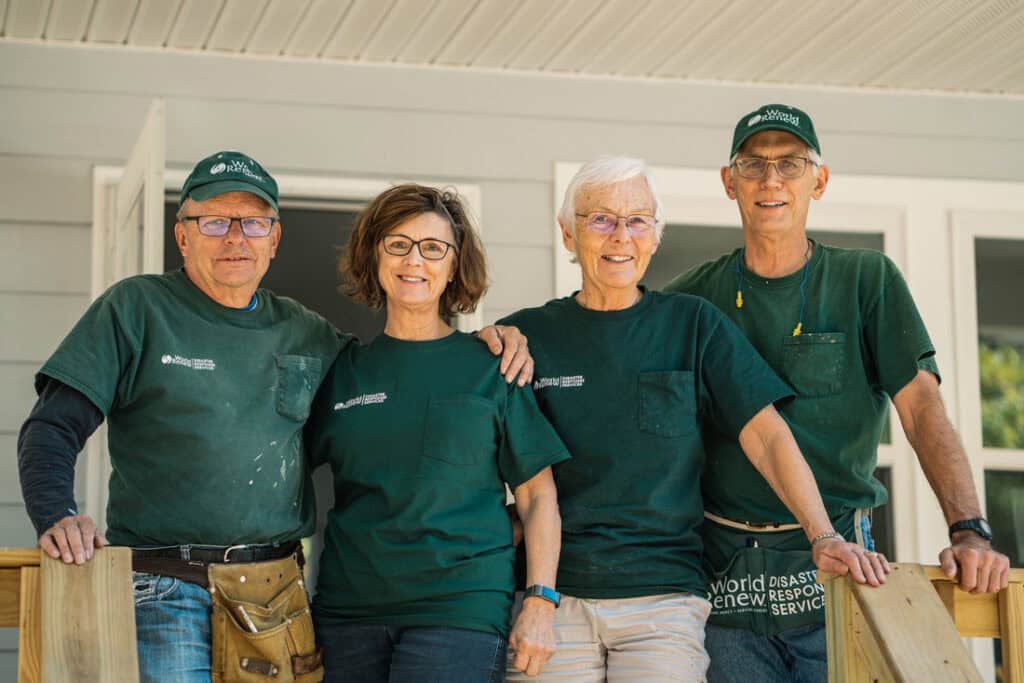
World Renew volunteers help communities recover by clearing debris, rebuilding homes, and supporting those most affected. You can be part of this work—by giving or getting involved.
