
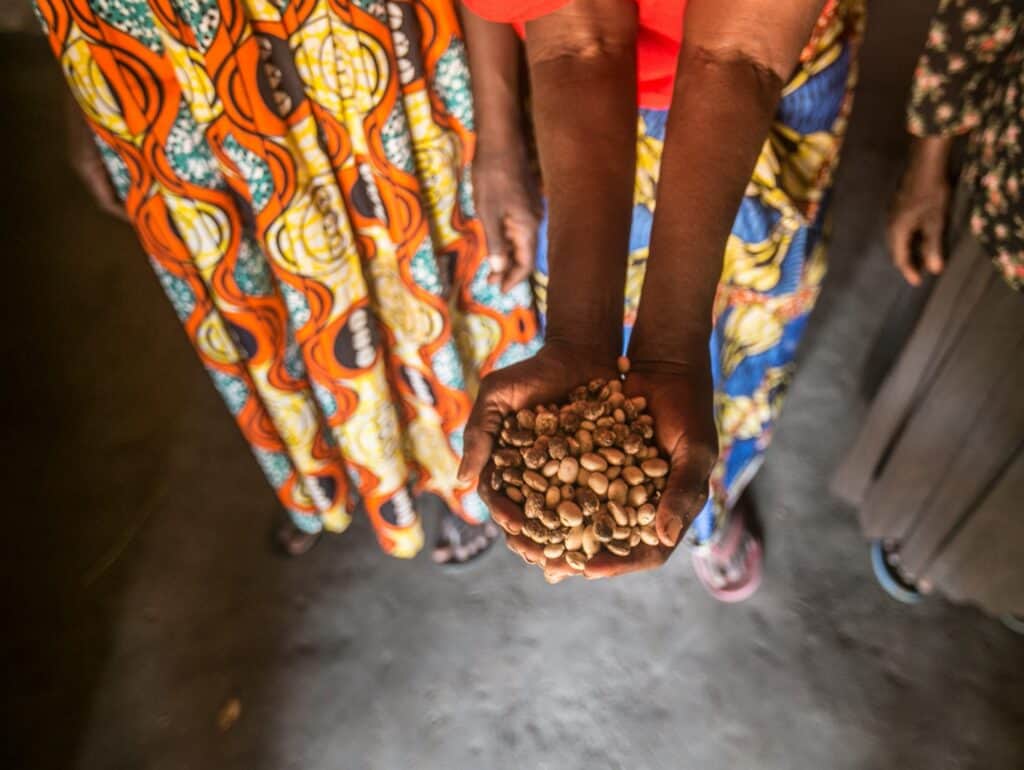
In a world with a population of 7.8 billion people, where children go hungry every day and families live with the constant fear of not having enough to eat, is it possible to achieve the United Nations Sustainable Development Goal of Zero Hunger?
Even before COVID‑19, progress toward ending hunger was slowed by conflict, a growing global refugee crisis, and the impacts of climate change. The pandemic created an additional setback for humanitarian efforts, straining the global economy and resulting in a marked increase in food insecurity around the world.
None of this means the goal of zero hunger is unattainable. But reaching it requires serious and effective action today.
There are many ways to reduce global hunger. Below are seven practical and proven ways to address the root causes of hunger and help create lasting change.
Seven ways to help solve world hunger
Ending world hunger cannot be achieved through “band‑aid” solutions. Emergency food assistance is often necessary, but it only addresses hunger in the moment. Long‑term solutions must focus on why hunger exists and how communities can overcome it sustainably.
Hunger, in simple terms, is a lack of food. Its causes include conflict, disease outbreaks, poor weather conditions, rising food prices, low wages, and unemployment. By addressing these root causes together, we can move toward a more food‑secure future.
1. Boost income through improved agriculture
Although the world produces enough food to feed its population, one in nine people still experiences hunger. Improving agriculture plays a crucial role in addressing this imbalance—both by increasing food production and strengthening farmers’ incomes.
Many people living in poverty depend on agriculture for survival, yet face barriers such as limited access to credit, tools, markets, and training. Supporting farmers through improved practices and access to resources can significantly reduce hunger.
Sustainable agriculture seeks to balance environmental health, social equity, and economic viability. When farmers have access to fair markets and practical training, they are better equipped to feed their families and build resilient livelihoods.
Meet Lydia. She was frustrated that her crops were not producing enough to meet her family’s food needs. After participating in World Renew’s conservation agriculture training and making changes on her farm, her family is now thriving.
2. Sustainability—now and in the future
Feeding today’s population is not enough unless we also protect the ability of future generations to feed themselves. True food security meets present needs without compromising the future.
This requires thoughtful investments today. World Renew works alongside communities, providing the training, tools, and confidence people need to build sustainable food systems for the long term.
Sabina’s story shows how conservation agriculture training helped her gradually transform her farming practices—leading to stronger harvests and improved food security for her family.
3. Prepare for disasters and manage natural resources
Communities that rely on land and natural resources for food and income are particularly vulnerable to environmental degradation and disasters. Poor land management—such as overgrazing or deforestation—can worsen soil quality and increase risk when droughts, floods, or storms occur.
Simple, practical strategies such as crop diversification, soil conservation, and protecting livestock can reduce vulnerability. Safeguarding homes and community infrastructure also helps families recover more quickly after disaster.
For example, in 2018, heavy winds and rain damaged school buildings in Heremakono, Sierra Leone. Through World Renew’s rapid response support, repairs ensured children could safely continue their education.
4. Promote gender equality and empower women in agriculture
Gender equality is essential to ending global hunger.
Women make up a significant portion of the agricultural workforce worldwide, yet often lack equal access to land, training, income, and decision‑making opportunities. When women farmers have fair access to resources, productivity can increase significantly—leading to better nutrition and food security for families and communities.
World Renew integrates gender equity into its programming, encouraging women’s leadership and participation in community decision‑making.
In one community in Sierra Leone, World Renew facilitated training on leadership, mutual respect, and collaborative planning, emphasizing the vital role women play in community development.
5. Improve hygiene and nutrition
Malnutrition is one of the most serious consequences of hunger. But it is not caused by lack of food alone. Poor sanitation, unsafe water, and limited nutrition knowledge can all undermine health.
Without access to clean water, handwashing, safe food preparation, and proper sanitation become difficult. Water‑borne illnesses increase the risk of malnutrition—especially for children.
World Renew and local partners promote Water, Sanitation, and Hygiene (WaSH) practices that protect health and support stronger nutrition outcomes in vulnerable communities.
6. Improve food storage systems
Harvesting food is only part of the solution. Safe and effective storage is critical to ensure food lasts through lean seasons and retains its nutritional value.
Innovations such as improved grain storage and solar dryers reduce spoilage, protect food quality, and extend shelf life—helping families make the most of their harvests.
7. Access to education
Education strengthens nearly every aspect of development, including food security. When people have access to education, they gain better opportunities for employment, higher incomes, and improved health and nutrition outcomes.
This is especially important in communities facing poverty and limited economic options.
Practical ways you can help
Scripture reminds us in Galatians 6:2: “Carry one another’s burdens, and in this way you will fulfill the law of Christ.” Each of us has a role to play in addressing hunger.
Here are practical ways you can help:
- Reduce food waste
- Compost food scraps
- Make more sustainable food choices
- Learn about the causes of hunger
- Use your voice to advocate for change
- Pray
- Give generously
What World Renew is doing to help solve world hunger
World Renew works alongside communities, households, local leaders, and children to create long‑lasting solutions to hunger. Our programs address food security through sustainable agriculture, disaster preparedness, nutrition, and education in communities around the world.
We also support people affected by crisis—providing timely humanitarian assistance while helping communities build resilience for the future.
Giving hope in a world of hunger
Millions of children are impacted by hunger and malnutrition. World Renew believes lasting change happens when communities are empowered with practical tools, knowledge, and hope.
Together, we can work toward a world where families have enough to eat—not just today, but for generations to come. Will you donate to our campaign to end world hunger?
