
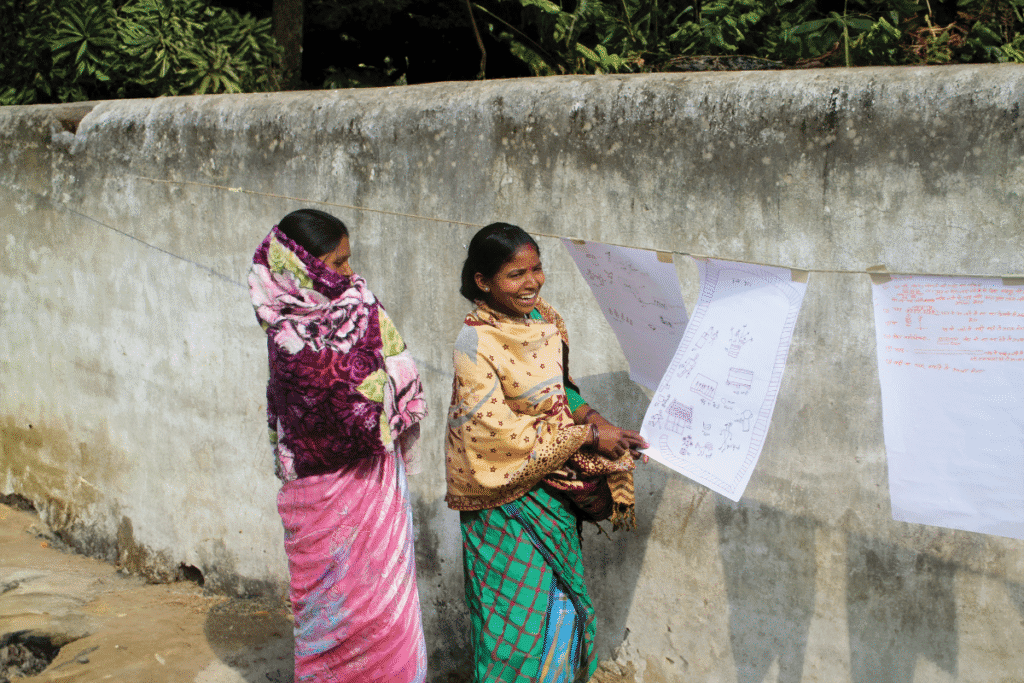
In India, especially in rural areas, inadequate prenatal care and unclean birthing practices have contributed to high maternal and infant mortality rates. Anju, who is pregnant with her fifth child, wants this pregnancy to be different. She is determined to access proper maternal health in India.
During her previous pregnancies, Anju—who lives in a rural village in eastern India—followed her community’s traditional practices. Her family believed that prenatal care was unnecessary; after all, women in the community had given birth for generations without formal medical support. Why should they change now?
Anju belongs to the Santal community, a historically marginalized group that often has limited access to health care services. Through a partnership with EFICOR, local community health workers are helping connect underserved rural communities like Anju’s to government health systems. This approach brings essential prenatal care directly to women’s doorsteps—many of whom are receiving such care for the first time.
As her pregnancy progressed, Anju faced continued resistance from her mother-in-law, who was hesitant about prenatal check-ups. In response, EFICOR staff visited the family and patiently explained the importance of maternal health care and how it could protect both mother and child. Through these conversations and ongoing support, Anju’s mother-in-law came to understand the long-term benefits of proper care.
Encouraged by this change, Anju attended her first antenatal check-up and decided she would give birth at a government hospital.
Anju’s mother-in-law shared her gratitude, saying, “I extend my heartfelt thanks to EFICOR for their dedicated efforts to help me realize the importance of maternal health care for my daughter-in-law. I will ensure the best care possible for both the mother and child.”
Now healthy and hopeful, Anju looks forward to welcoming her baby.
Stories like Anju’s are a reminder of how education, trust, and community-based support can transform long-standing practices and improve health outcomes for families. We can continue to pray for communities like hers—that families would have access to essential care, that health workers and partners would be equipped to serve effectively, and that lasting change would take root in places where tradition and new understanding are coming together for a healthier future.
👉 Read more about how community health volunteers also helped a mother and child overcome anemia and malnutrition in India.
