
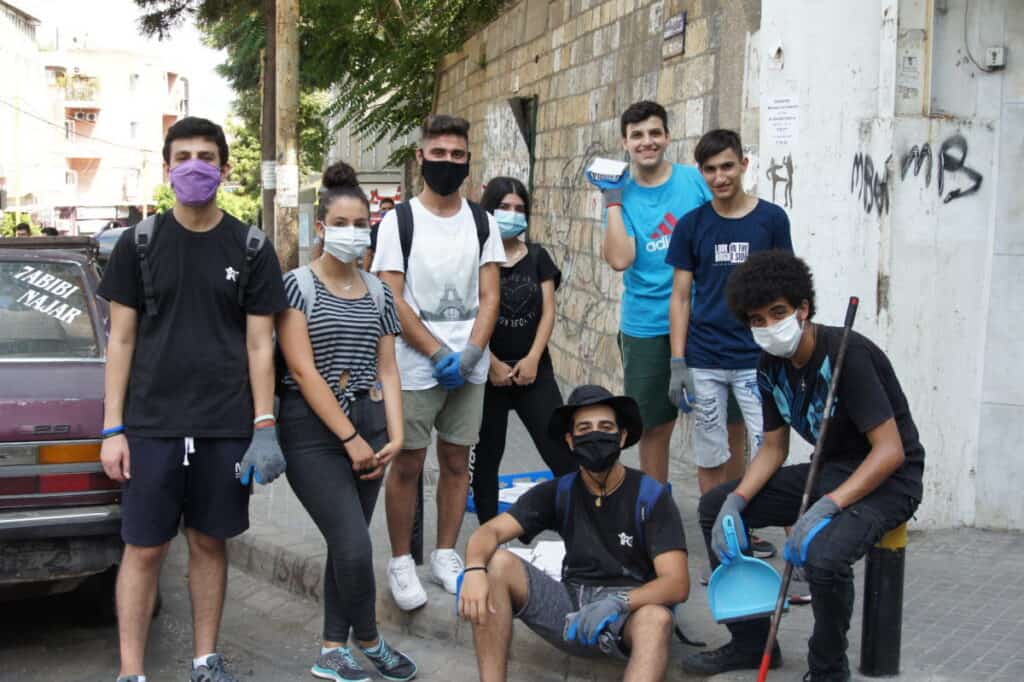
When a massive explosion devastated Beirut’s main port on August 4, 2020, the world watched in shock. Homes were destroyed, lives were disrupted, and a city already strained by economic hardship faced yet another crisis. While global attention eventually faded, the impact of the disaster continues to shape daily life for many families.
One of those families is 90-year-old Hagop and his 80-year-old sister, Anaheed.
On the day of the blast, the siblings were at home in their shared Beirut apartment. They heard unfamiliar, rapid sounds coming from the port and saw flames rising in the distance. Sensing danger, they stepped away from the windows. Moments later, the explosion shook their home, shattering doors and windows and throwing Anaheed into the air.
Anaheed was trapped under fallen furniture until neighbors came to help. Since the explosion, she has struggled to walk. Looking back on that day, the siblings say, “Overall, it is still a miracle that we were not more seriously injured.”
Their apartment did not fare as well. Every window and door was destroyed, leaving their home exposed to wind and rain. With seasonal weather approaching, the damage created urgent safety and health concerns.
Growing Humanitarian Needs After the Beirut Explosion
As organizations responded across Beirut to repair damaged buildings, another crisis quickly became visible: access to food. Even before the explosion, Lebanon was facing a severe economic crisis, with rising inflation pushing food prices beyond what many families could afford. The destruction of the port—an essential entry point for food imports—worsened an already fragile situation. Combined with the ongoing effects of COVID-19, food insecurity increased sharply.
World Renew responded by working alongside its local partner, MERATH, and their network of churches in Beirut. These trusted local relationships made it possible to support people who were especially vulnerable, including older adults and those with limited mobility.
Through this emergency response, Hagop and Anaheed received grocery vouchers along with hot, ready-to-eat meals. For Anaheed, the prepared meals were especially helpful. “I am not able to cook anything right now, so the ready food is great,” she says.
Faith, Dignity, and Long-Term Recovery
Beyond meeting immediate needs, the support brought encouragement and dignity during a season of deep loss. Hagop and Anaheed remain grateful for MERATH’s care and continue to draw strength from their faith.
“Our faith is helping us a lot in this difficult time,” Anaheed shares. “When I struggle walking, I pray for God to carry me through some more steps. We pray we can walk normally again soon and do not need assistance anymore.”
Their story reflects a reality seen in disaster contexts around the world: while emergencies may disappear from headlines, recovery is long and deeply personal. Families need support not just in the first days after a crisis, but throughout the slow process of rebuilding their lives.
World Renew’s International Disaster Response work focuses on meeting urgent needs while walking alongside communities through recovery—supporting resilience, restoration, and hope long after disaster strikes.
Learn more about World Renew’s International Disaster Response work and how we respond to humanitarian crises around the world.
