
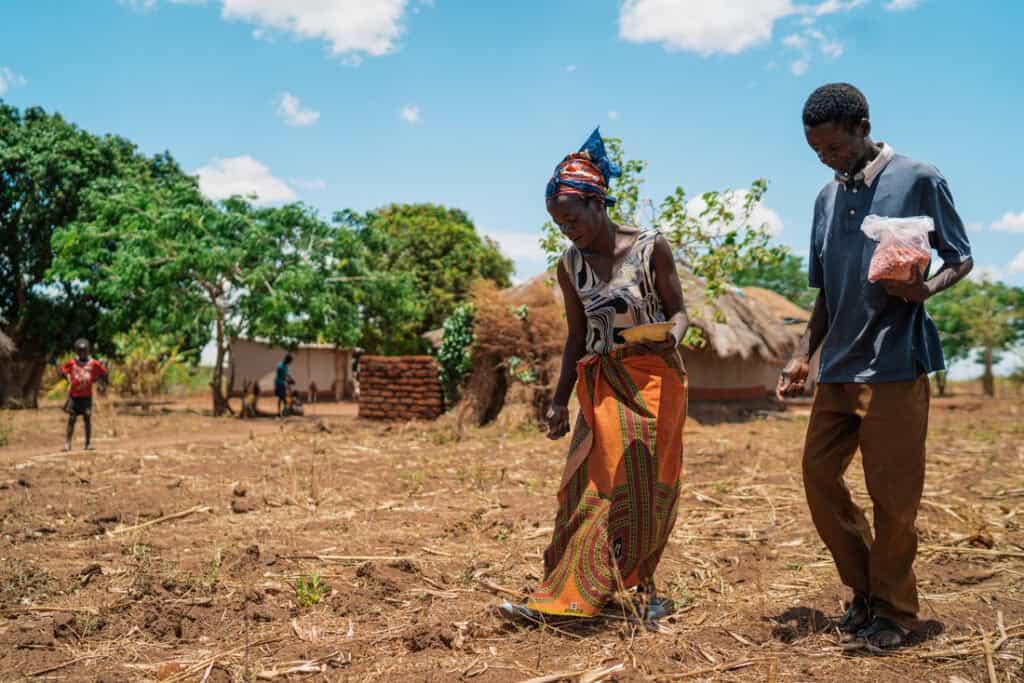
After a decade of steady decline, global hunger is once again on the rise. In a world with immense resources and wealth, more than 900 million people still go hungry each day—even though enough food is produced to feed everyone on the planet.
Environmental challenges such as climate change, forest degradation, water scarcity, and biodiversity loss are intensifying this crisis.
At the same time, efforts to cope with hunger can place additional strain on the environment. The relationship between hunger and the environment is deeply interconnected.
In this article, we explore what world hunger is, its root causes, potential solutions, and how hunger and environmental systems influence one another.
What is world hunger?
World hunger refers to insufficient access to food to support healthy, thriving communities. However, hunger is more complex than simply not having enough to eat.
It also includes a lack of nutritious food, leading to micronutrient deficiencies—when people do not get enough essential vitamins and minerals needed for good health.
This is often called “hidden hunger”, because there may not be obvious visible signs, yet it still has serious consequences.
Undernourishment can lead to:
- Poor health outcomes
- Reduced ability to work or attend school
- Increased vulnerability to conflict and instability
As a result, hunger often contributes to a vicious cycle where poverty and food insecurity reinforce one another.
What causes world hunger?
Global hunger is driven by multiple interconnected factors. While climate change and conflict play a growing role, poverty remains the primary cause for many communities. Main causes of hunger include:
1. Poverty
Millions of people lack the financial resources to access food due to unstable markets, limited employment, and rising food costs. Many also lack access to land, tools, or storage needed to grow their own food.
2. Conflict
War and political instability disrupt food systems, destroy infrastructure, and force people from their homes—often worsening hunger and poverty simultaneously.
3. Climate change
Changing weather patterns, droughts, and extreme events make farming unpredictable and reduce crop yields. Today, a large proportion of people experiencing hunger live in regions highly vulnerable to climate shocks.
4. Food waste
Nearly one-third of all food produced globally is lost or wasted. Reducing food waste could significantly improve food availability worldwide.
What are the solutions to world hunger?
Addressing hunger requires a multi-faceted, long-term approach that strengthens both people and the environment.
1. Expand climate-adaptive agriculture
Sustainable agriculture practices help communities grow food more reliably while protecting natural resources. This includes:
- Improving soil health
- Diversifying crops
- Using water more efficiently
- Adapting to changing weather conditions
World Renew supports communities in adopting sustainable agriculture. For example, in Honduras, families facing drought and extreme rainfall have improved food security through aquaponics—growing fish and vegetables together in a closed, efficient system.
2. Build climate resilience
Natural resources—such as land, water, and forests—are under increasing pressure. At the same time, climate-related disasters are becoming more frequent.
Building resilience means helping communities adapt through:
- Improved farming and herding practices
- Better water and sanitation systems
- Climate-informed planning
Advocacy and awareness also play an important role in addressing the broader drivers of climate-related food insecurity at a global level.
3. Strengthen health, nutrition, and sanitation
Food security is closely tied to health. Without access to clean water, sanitation, and proper nutrition, communities remain vulnerable.
In Kenya, for example, World Renew supports programs that improve access to clean water and hygiene practices. These efforts help families stay healthy and better sustain their livelihoods, including through improved irrigation methods.
How hunger and environmental systems are connected
The relationship between hunger and the environment is not one-directional. Environmental challenges contribute to hunger—but the strategies people use to cope with hunger can also impact the environment.
When communities lack sustainable options, short-term survival strategies can lead to environmental degradation. Here are three key ways this happens:
1. Deforestation
To meet immediate food needs, forests are often cleared to create farmland or grazing areas.
However, deforestation:
- Reduces biodiversity
- Increases carbon emissions
- Degrades soil quality over time
In regions like Malawi, soil degradation and deforestation have contributed to declining crop yields and ongoing food insecurity.
World Renew supports conservation agriculture practices that help restore soil health and improve long-term productivity, including tools and techniques that allow small-scale farmers to increase yields sustainably.
2. Greenhouse gas emissions
Industrial agriculture and unsustainable farming practices contribute significantly to greenhouse gas emissions.
These emissions:
- Accelerate climate change
- Disrupt food systems
- Reduce the nutritional quality of some crops
Creating more sustainable agricultural systems is essential to protecting both the environment and global food security.
3. Water pollution
Agricultural runoff and improper waste management can contaminate water sources, harming both ecosystems and human health.
Water pollution can:
- Damage crops and soil
- Increase exposure to harmful chemicals
- Lead to long-term health risks for communities
Improving sanitation, waste management, and farming practices helps reduce these risks and supports healthier environments.
Working toward a sustainable and food-secure future
Climate-related disruptions continue to threaten food systems around the world. Drought, flooding, and environmental degradation reduce access to food and deepen vulnerability for many communities.
At World Renew, we partner with communities to:
- Grow food sustainably
- Build resilience against climate shocks
- Respond to emergencies when disaster strikes
Together, these efforts help create stronger, more self-sufficient communities.
We believe in a world where everyone has enough to eat—where food is shared, communities thrive, and creation is cared for responsibly.
“Share your food with the hungry, and give shelter to the homeless.” — Isaiah 58:7
Meet Row Shan, a mother of two in Bangladesh. With training in sustainable farming, her crops are now more reliable, her family’s income is more secure, and her children can attend school.
As global hunger continues to rise, your support can make a meaningful difference. You can help provide critical assistance to families facing food insecurity and environmental challenges. Learn more about how you can help end world hunger today.
