
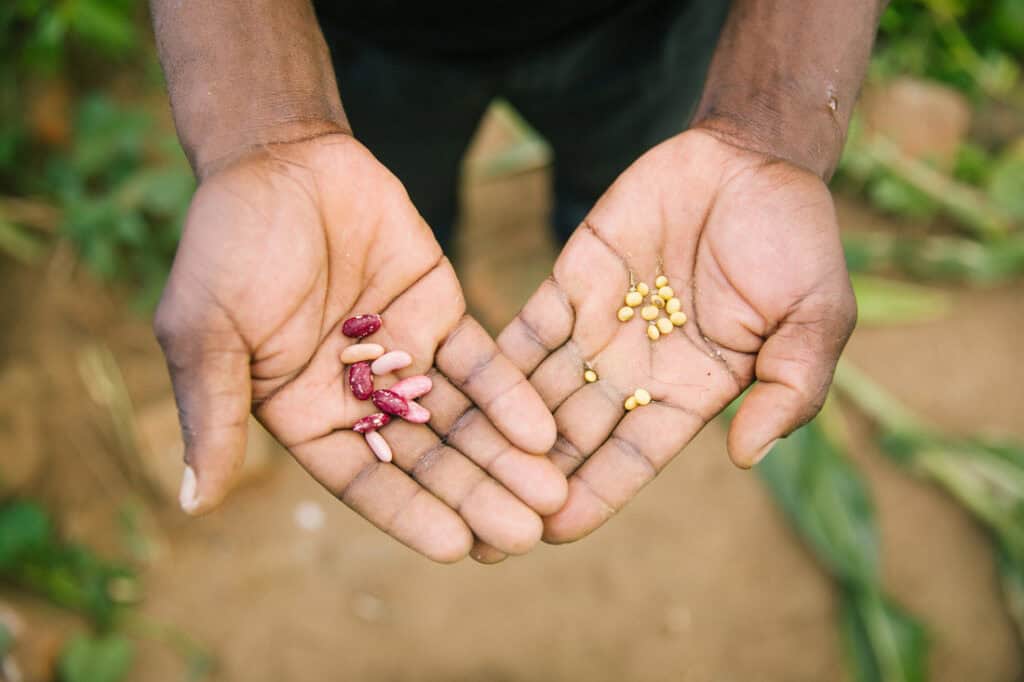
Every year, hundreds of millions of people experience food insecurity, with the most vulnerable—including women, children, and older adults—bearing the greatest burden.
Even before the COVID-19 pandemic, global hunger had been rising due to income inequality, fragile food systems, and ongoing crises. Today, conflict, economic instability, climate change, and natural disasters continue to drive food insecurity worldwide—leading to malnutrition, disrupted food access, and, in the most severe cases, starvation.
In this article, we explore the leading causes of food insecurity and practical, sustainable solutions that individuals and communities can support today.
What Is Food Insecurity?
Food insecurity refers to a lack of consistent, reliable access to enough safe and nutritious food needed for a healthy life. It may be temporary—caused by shocks like disasters—or chronic, rooted in long-term poverty and inequality.
Globally, an estimated 735 million people faced hunger in 2023, highlighting the scale and urgency of this issue.
The Impact of Food Insecurity
Food insecurity has far-reaching consequences for individuals, communities, and economies.
- Health and development: Malnutrition weakens immune systems, increases disease risk, and limits physical and cognitive development—especially in children.
- Child stunting: Millions of children experience stunting (impaired growth) due to chronic undernutrition.
- Economic impact: Hunger reduces productivity, making it harder for communities to build sustainable livelihoods.
- Social instability: When food becomes scarce, competition for resources can lead to conflict and displacement.
For already vulnerable regions, food insecurity creates a cycle of poverty and instability that is difficult to break without long-term support.
How World Renew Helps Address Food Insecurity
World Renew works alongside communities to strengthen food systems and build long-term resilience.
Sustainable Agriculture Training
We equip farmers with climate-resilient techniques such as:
- Water conservation and irrigation methods
- Soil restoration and land contouring
- Crop diversification and sustainable farming practices
These approaches help communities adapt to changing weather patterns while protecting natural resources.
Emergency Food Assistance
During disasters and crises, immediate access to food can save lives. World Renew provides emergency food support to ensure families can survive and recover.
Economic Empowerment
Economic opportunity programs such as village savings and loan groups enable participants—especially women—to build income, start small businesses, and strengthen household food security.
For example, in Mozambique, participants have successfully combined agricultural training with savings initiatives to improve both income and nutrition.
Major Causes of Food Insecurity
1. Poverty
Poverty remains the primary driver of food insecurity worldwide. Smallholder farmers often lack access to:
- Quality seeds and tools
- Financial resources
- Training in sustainable practices
As a result, they produce limited yields and struggle to earn stable incomes. Without support, this creates a cycle where poverty leads to hunger—and hunger makes it harder to escape poverty.
2. Climate Change
Climate change is intensifying food insecurity across the globe.
- Irregular rainfall affects crop yields
- Droughts and floods destroy farmland
- Rising sea levels contaminate freshwater supplies
Without adaptive strategies, small-scale farmers face increasing losses and uncertainty.
3. Conflict and Disasters
Armed conflict and natural disasters are major disruptors of food systems.
- Conflict displaces communities and interrupts farming
- Infrastructure damage prevents food distribution
- Natural disasters can wipe out entire harvests
These crises often overlap, compounding vulnerability and prolonging recovery.
4. Population Growth and Urbanization
As the global population grows, demand for food rises. Urban expansion can:
- Reduce available farmland
- Increase food transportation costs
- Limit access to affordable, nutritious food—especially for low-income households
Without planning, these pressures can strain already fragile food systems.
Solutions to Improve Food Security
1. Address Climate Change
Climate-smart agriculture can improve resilience and productivity. Effective strategies include:
- Crop rotation
- Drip irrigation
- Soil conservation methods
- Water retention systems
These approaches help farmers reduce losses, protect ecosystems, and improve long-term yields.
2. Reduce Food Loss and Waste
Roughly one-third of food produced globally is lost or wasted. Key improvements include:
- Better storage and preservation systems
- Stronger transportation infrastructure
- Improved planning across supply chains
Reducing waste increases food availability without increasing production.
3. Promote Crop Diversification
Relying on a single crop increases vulnerability to disease and climate shocks. Diversification:
- Reduces risk of total crop failure
- Improves soil health
- Supports more balanced diets
Communities benefit from both greater resilience and improved nutrition.
4. Strengthen Infrastructure
Infrastructure plays a critical role in food security. Investments in:
- Roads and transportation
- Food storage facilities
- Processing and distribution systems
…help reduce spoilage and ensure food reaches communities efficiently.
Working Toward Global Food Security
Food insecurity is a complex global challenge—but it is one we can address together.
Through sustainable agriculture, climate action, economic empowerment, and improved systems, we can help ensure that all people have access to the food they need to thrive.
As people of faith, we are called to respond with compassion and action:
“If anyone is poor among your fellow Israelites… do not be hard-hearted or tight-fisted toward them. Rather, be open-handed.” — Deuteronomy 15:7–8
At World Renew, this calling shapes our work. Together with local partners and supporters, we are building stronger, more food-secure communities around the world.
Join us—through giving, volunteering, or advocacy—and be part of lasting change.
