
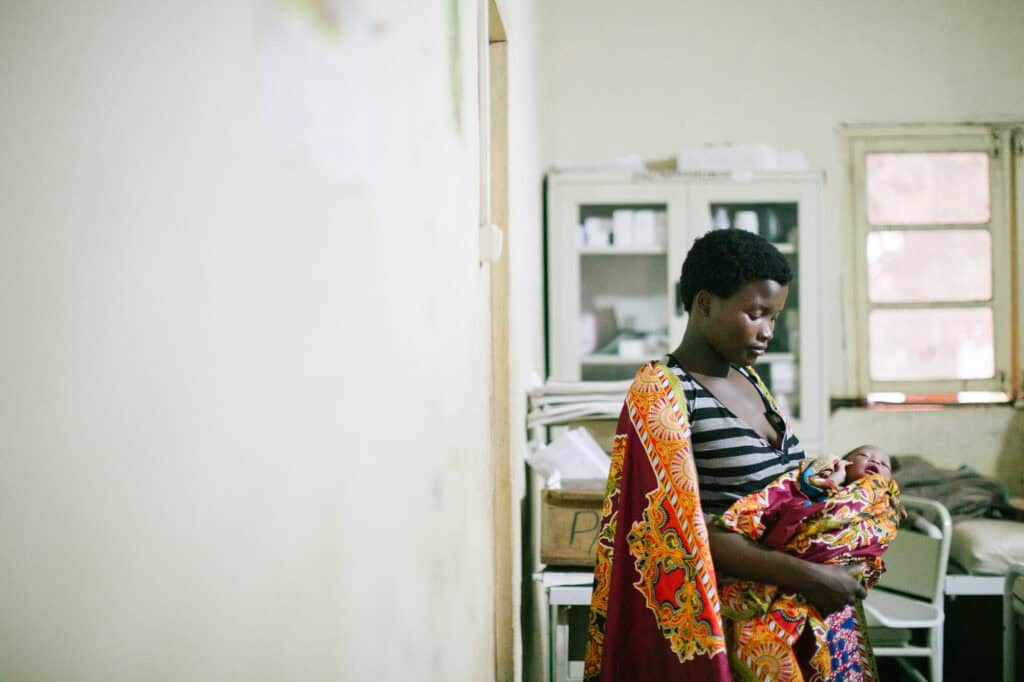
Over the years, eliminating poverty in all its aspects has remained one of the world’s biggest challenges. While the number of people living in extreme poverty fell significantly over several decades, millions still struggle to meet their basic needs. For many who were already living on the brink before the COVID‑19 pandemic, recent global shocks have pushed them deeper into poverty.
How can we help alleviate global poverty? Is there such a thing as a world without deprivation? What realistic options do we have to reduce this widespread hardship?
In this article, we explore the reality of global poverty today, examine its root causes, and share practical ways you can help bring about lasting change.
Extreme Global Poverty
Global poverty declined dramatically from the 1960s to the years leading up to the pandemic. However, economic disruption, conflict, climate‑related disasters, and health crises have since reversed some of that progress, pushing millions of people back into extreme poverty.
Poverty rarely has a single cause. Instead, it is shaped by a complex web of factors that reinforce one another. To understand how poverty affects families and communities—and how it can be addressed—we need to examine both its impacts and its underlying causes.
The Impacts of Poverty
1. Poor Health
Poor health significantly limits a person’s ability to earn a sustainable income. Each year, millions of people are affected by preventable or treatable diseases such as malaria, HIV/AIDS, and tuberculosis. In communities with limited access to healthcare, illness can quickly deepen poverty, trapping families in a cycle that is difficult to escape.
2. Crime and Violence
Lack of economic opportunity is often linked with increased crime and violence. When people cannot find stable work or meet their basic needs, communities experience greater instability and insecurity. This environment further discourages investment, limits opportunity, and perpetuates poverty.
3. Lack of Education
Families facing poverty often struggle to cover school fees, supplies, or transportation, preventing children from accessing education. Even when schooling is available, overcrowded classrooms, limited materials, and undertrained teachers can undermine learning.
Children living in extreme poverty can also face developmental challenges caused by stress, poor nutrition, and unsafe environments, which can affect their academic success. When education is interrupted or inadequate, poverty is passed from one generation to the next.
The Causes of Poverty
To address poverty effectively, we must confront its root causes.
Limited access to clean water, nutritious food, adequate shelter, healthcare, education, and sanitation lies at the heart of many poverty‑affected communities. Poverty is also shaped by inequality—including gender and racial disparities—along with weak governance, conflict, exploitation, and environmental degradation.
Political instability, corruption, historical injustices, and ongoing violence further restrict access to essential services and economic opportunity, leaving communities vulnerable and marginalized.
Ways You Can Help Alleviate Global Poverty
The causes of poverty vary widely from one context to another, meaning solutions must be community‑driven and locally grounded. Still, there are meaningful ways individuals and communities can contribute to positive change.
Raise Awareness
Understanding the realities of poverty can inspire informed and compassionate action. Sharing stories, learning from affected communities, and supporting collective efforts can help amplify local voices and strengthen community‑led solutions that address long‑term challenges rather than short‑term fixes.
Give Thoughtfully
Meeting immediate needs—especially during disasters—is essential. At the same time, lasting change comes from investing in long‑term development strategies that support resilience and dignity.
Supporting organizations that focus on sustainable solutions helps ensure resources are used effectively and responsibly. Giving time, skills, or financial resources can all play an important role in alleviating poverty.
Volunteer
Volunteering offers opportunities to learn, serve, and walk alongside communities experiencing hardship. World Renew seeks to equip volunteers with the knowledge and understanding needed to engage respectfully and effectively.
Through disaster response, development programs, and community partnerships, volunteers are invited to deepen their faith, broaden their perspective, and invest in the lives of God’s beloved children around the world.
Challenge Assumptions
Poverty is complex, and it is easy to feel discouraged or disconnected. By listening to stories, learning from lived experiences, and challenging oversimplified narratives, we can better understand our role in creating change. Small, consistent actions—combined with collective effort—can contribute to meaningful progress over time.
Community‑Driven Approaches to Alleviating Poverty
Through collaboration with local partners and communities, World Renew focuses on several key areas:
1. Promote Gender Equity
When women and girls have equitable access to education, resources, and leadership opportunities, entire communities benefit. Addressing gender‑based barriers helps strengthen families, improve livelihoods, and foster inclusive growth.
2. Improve Access to Clean Water and Sanitation
Clean water and sanitation are foundational to health, education, and economic stability. Preventable illnesses caused by unsafe water and poor hygiene can keep families trapped in poverty.
By working with local partners, World Renew helps build water systems, promote sanitation and hygiene practices, and strengthen community health.
3. Support Access to Quality Education
Education opens doors to opportunity. Literacy, life skills, and vocational training enable children and adults to pursue sustainable livelihoods, advocate for themselves, and contribute meaningfully to their communities.
4. Expand Employment Opportunities
Stable work allows families to meet their basic needs and plan for the future. Supporting diversified income opportunities—especially beyond subsistence agriculture—helps families build resilience in both rural and urban settings.
5. Strengthen Economic Security
Savings, access to credit, and financial literacy can help families withstand crises such as illness, job loss, or natural disasters. Community‑based savings and loan programs enable people to invest in small businesses, education, and housing while building long‑term stability.
6. Address Climate Change
Climate change disproportionately affects those living in poverty, particularly small‑scale farmers who depend on predictable weather patterns. Training in conservation agriculture, climate‑adaptive crops, and soil health helps communities protect livelihoods and adapt to changing conditions.
7. Promote Peace and Conflict Resolution
Conflict undermines economic growth and displaces families, pushing communities deeper into poverty. By supporting local leadership training in conflict resolution and peacebuilding, World Renew seeks to strengthen social cohesion and reduce violence.
8. Respond to Disasters
Disasters can erase years of progress in an instant. World Renew supports disaster response while also helping communities build resilience through preparedness, safer housing, and recovery planning.
What Is World Renew Doing?
World Renew focuses on food security, community health, economic opportunity, justice and peace—including conflict resolution and gender equity—international disaster response, and North American disaster response. Our approach recognizes the multidimensional nature of poverty and prioritizes long‑term, community‑led development.
Through God’s grace and the generosity of supporters, World Renew partners with local organizations to strengthen capacity, address root causes, and support sustainable change.
A Shared Mission to Alleviate Global Poverty
Global poverty and hunger remain urgent challenges.
Deuteronomy 15:7–8 reminds us:
“If among you, one of your brothers should become poor… you shall not harden your heart or shut your hand against your poor brother, but you shall open your hand to him and lend him sufficient for his need, whatever it may be.”
We are called to walk alongside our brothers and sisters experiencing poverty. By sharing our knowledge, skills, and resources, we can participate in God’s work of restoration—locally and around the world.
