Harry and Annie Bergshoeff are International Relief Managers with World Renew. They recently spent time in Ambovombe, Madagascar, supporting a food distribution project reaching 2,000 of the most vulnerable households across 31 communities.
Madagascar, particularly its southern regions, continues to face recurring drought and food insecurity, leaving many families struggling to meet daily needs.
This project provides each family with a monthly ration of 60 kg of rice, 10 kg of beans, and 4 litres of oil over five months—helping bridge the gap until the next harvest. Harry and Annie share the following photos and reflections to tell the story of this work, carried out in partnership with local organizations on the ground.
A Photo Journey Through the Project
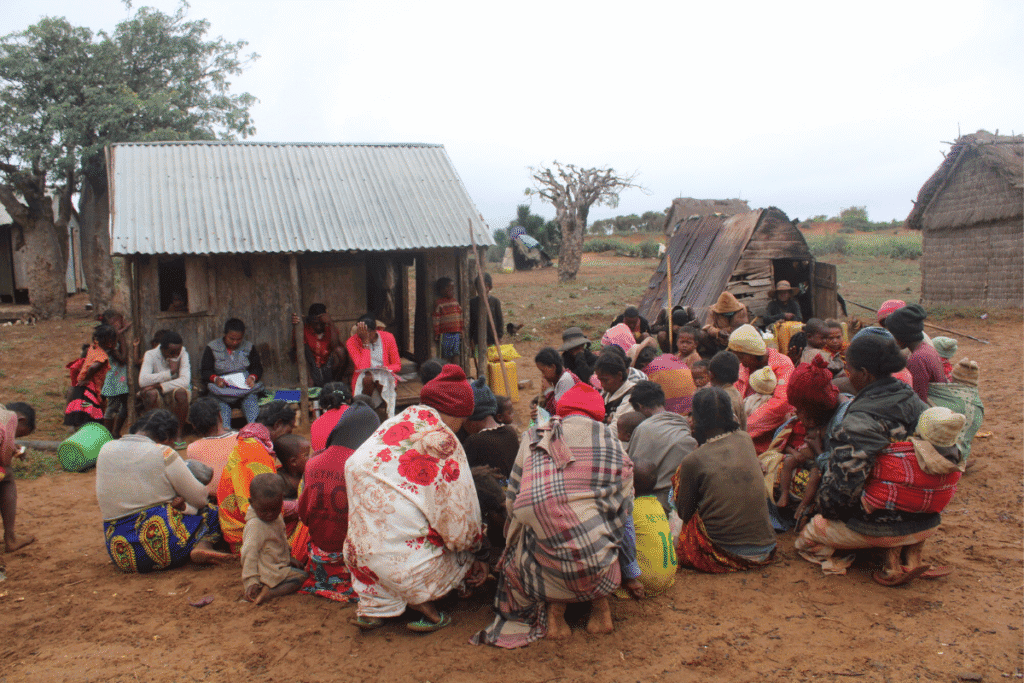
The project began with partner staff visiting each village to explain the initiative and outline how participant families would be selected.
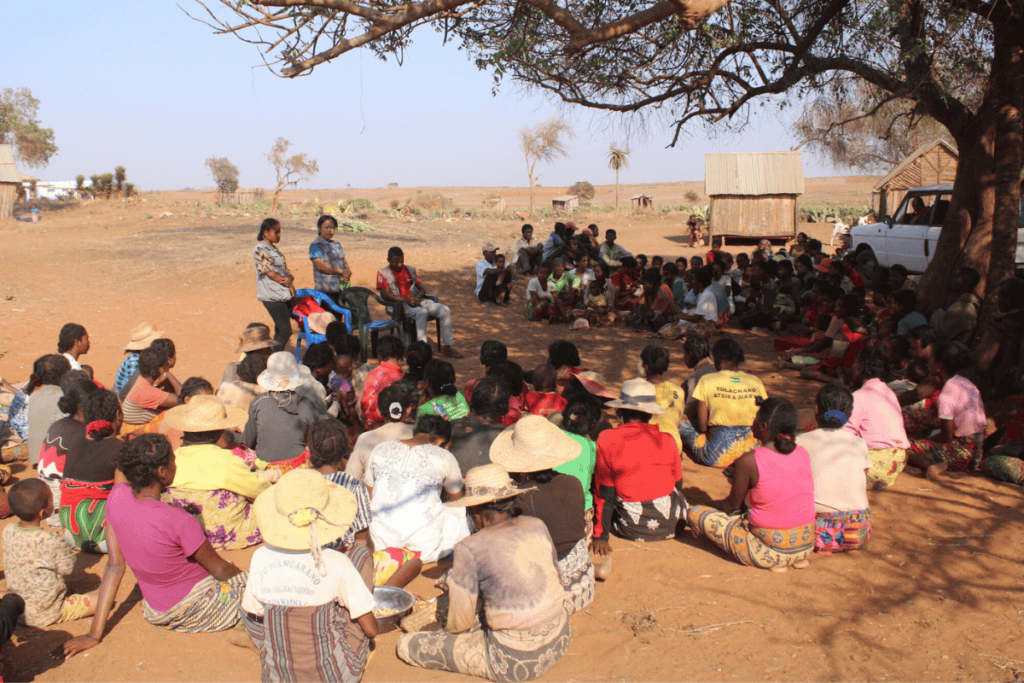
From each village, the community chose a committee made up of two women and two men. This ensured women were included in leadership and decision-making. In addition to identifying the most vulnerable households, these committees also helped organize the distributions—a significant responsibility.
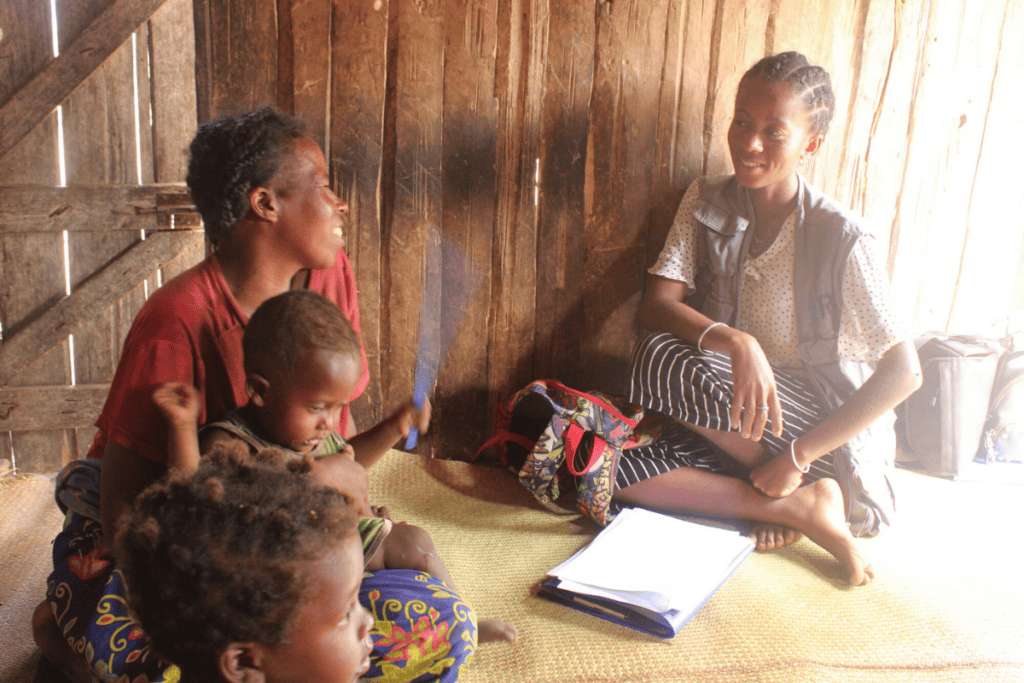
Each household received an in-home visit to gather a detailed family profile. From this process, 2,000 of the most vulnerable households were selected. Criteria included having no current income source, no livestock, and limited access to food—often one meal per day or less. Priority was given to female-headed households with children, widows or widowers, families caring for orphans, and those including vulnerable children, persons with disabilities, or elderly members.
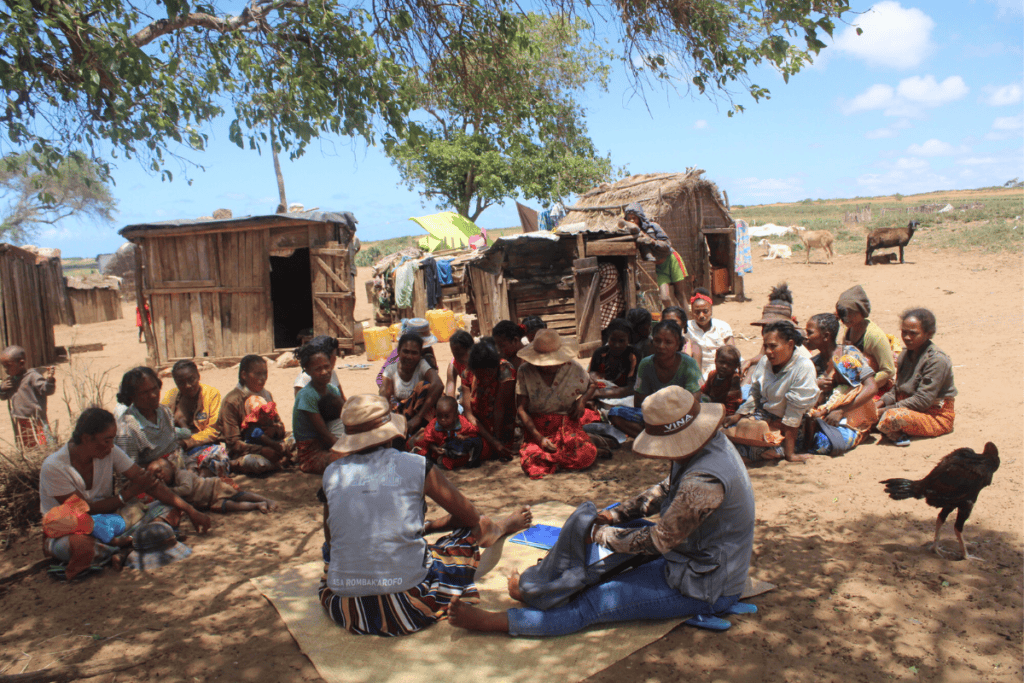
To ensure transparency, the final participant list was shared publicly within each community, allowing time for review and feedback.
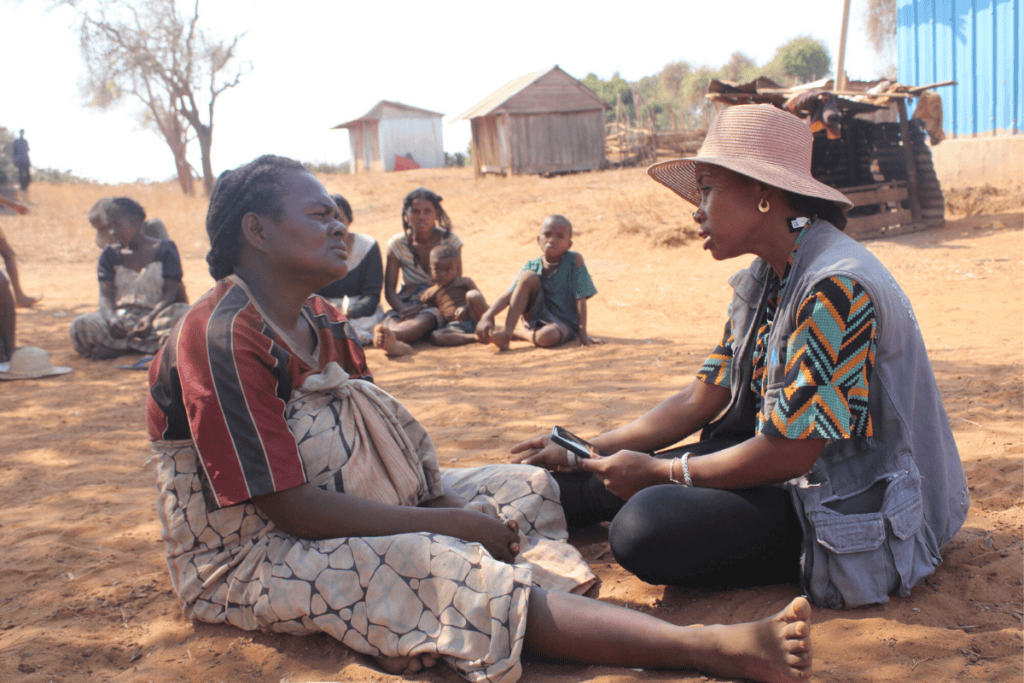
Before the first food distribution, a baseline survey was conducted with 12% of households. This helped assess dietary intake and coping strategies related to food shortages. A follow-up survey will be conducted at the end of the project to evaluate its impact.
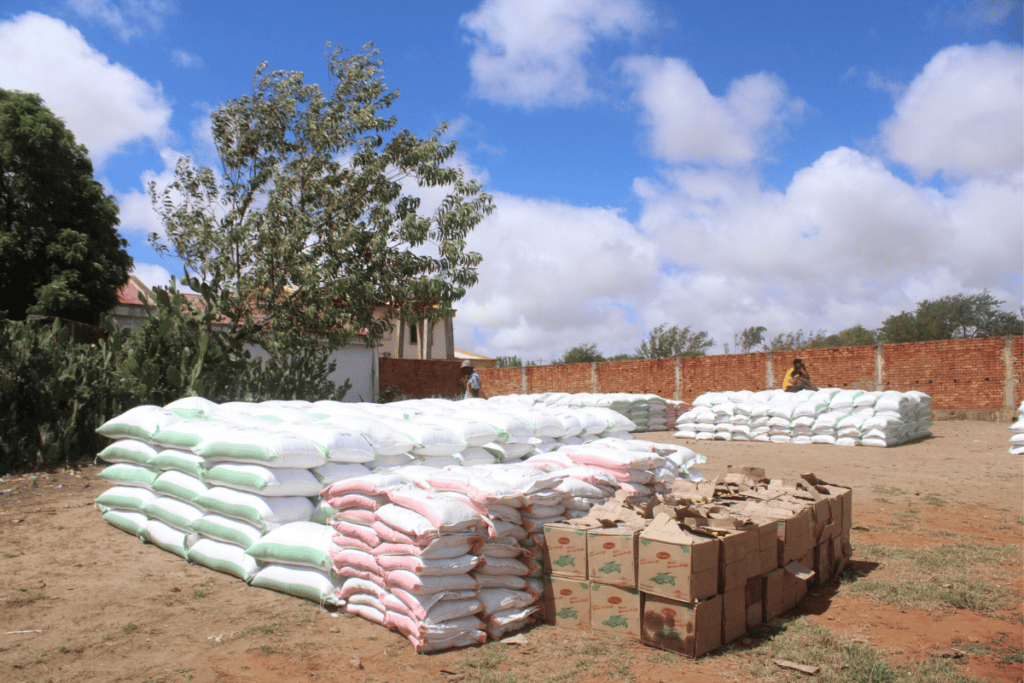
How do you organize the distribution of 120 metric tons of rice, 20 metric tons of beans, and 8,000 litres of oil to 2,000 families over just two days—safely and efficiently? With a well-practised system, the partner team completes each distribution in just three hours!
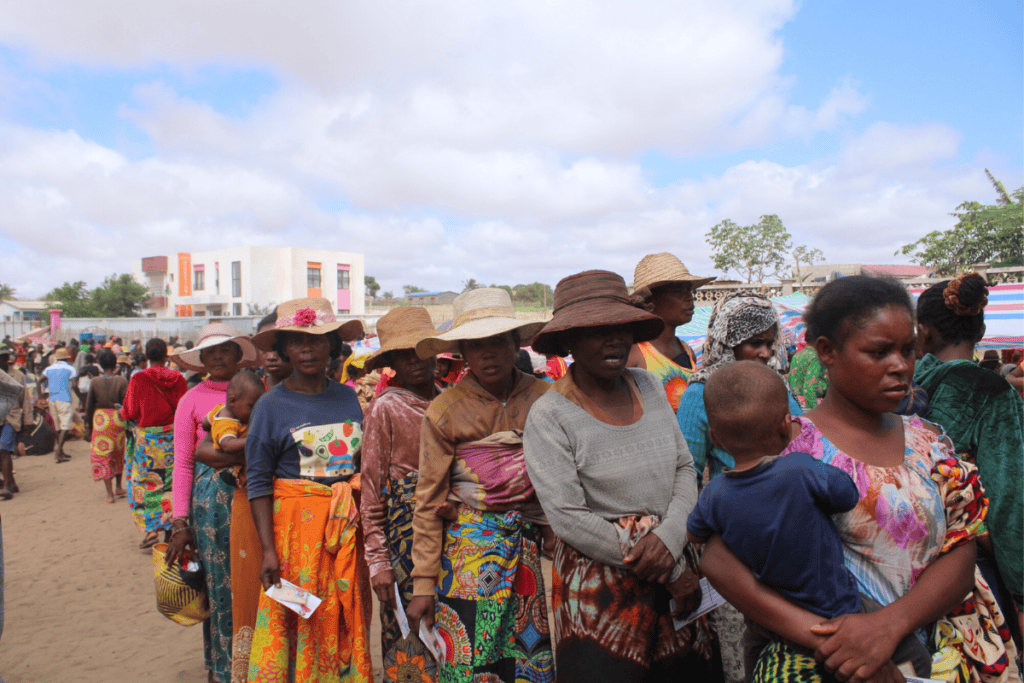
The process is thoughtfully managed to ensure dignity and safety. Household representatives are grouped in tens, with priority given to pregnant women, elderly individuals, and persons with disabilities. Clearly marked areas are set up to maintain order throughout.
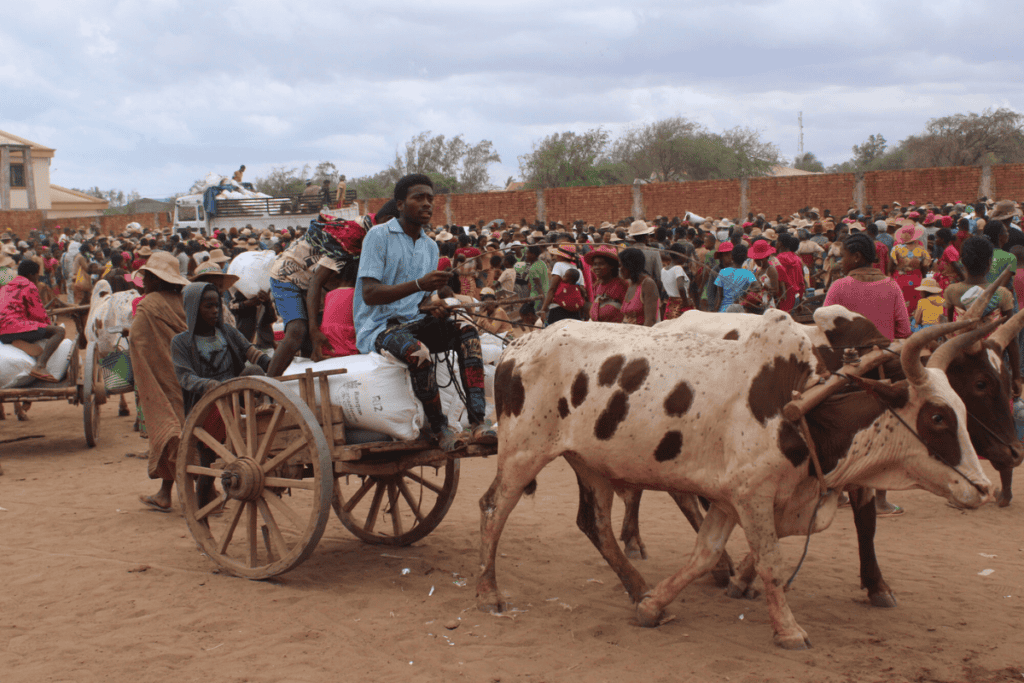
Family members often help transport the food home using “zebu taxis” (ox-drawn carts). Travelling in groups improves safety and allows families to share transportation costs.
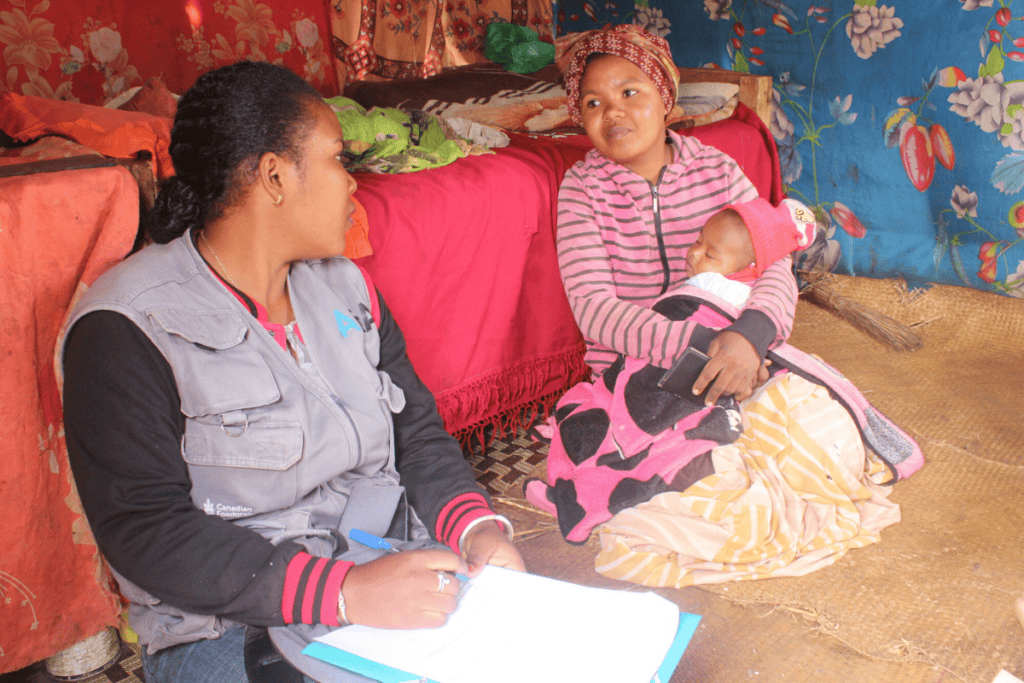
Monitoring continues throughout the project to assess how the food is used and how it supports family well-being. Community Mobilizers also track how training sessions are being applied in daily life.
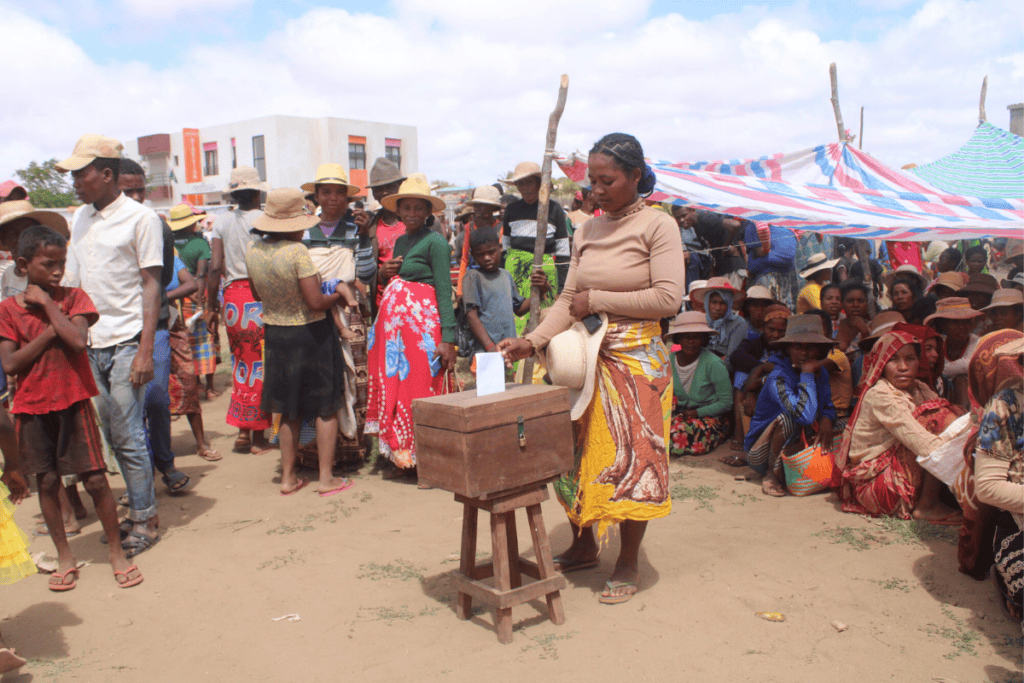
Participants are encouraged to provide feedback. Complaint boxes are available, and individuals can also speak directly with staff or leave messages via a dedicated phone line. Every concern is reviewed, and corrective action is taken when needed.
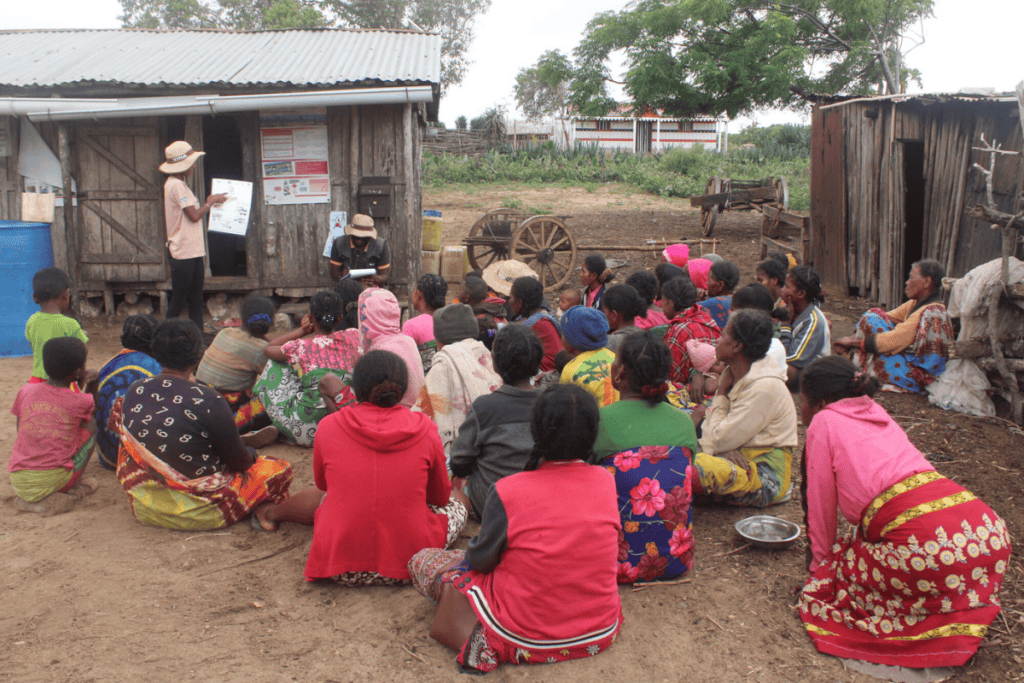
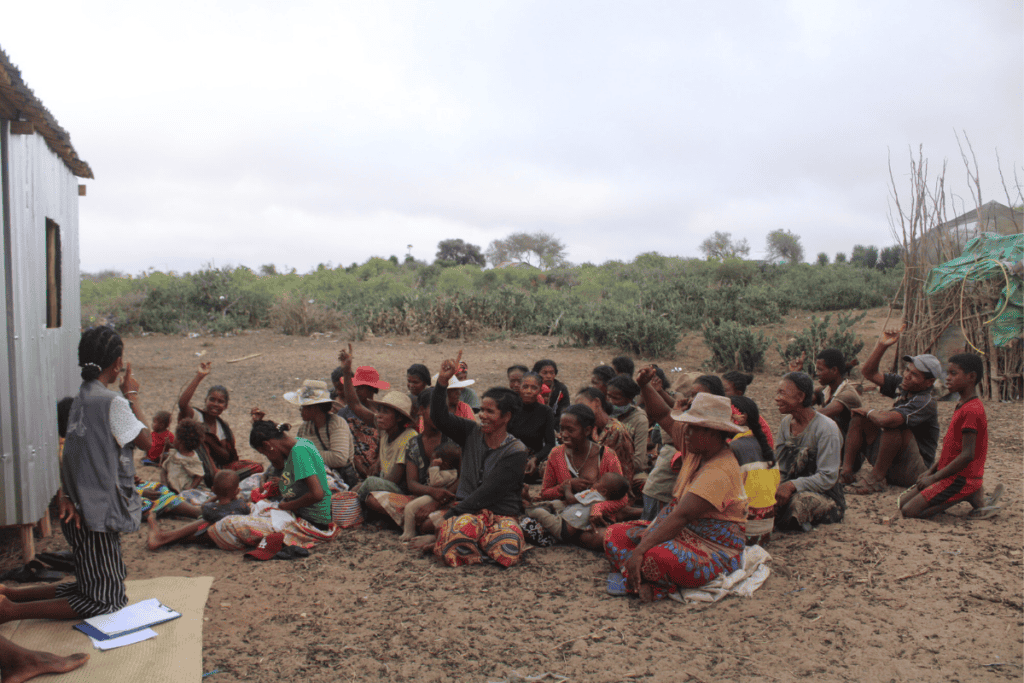
Alongside food distribution, Community Mobilizers visit villages several times each week to lead awareness sessions. Topics include gender equality, prevention of violence and abuse, anti-corruption practices, environmental stewardship, nutrition, and Village Savings and Loan Associations (VSLAs).
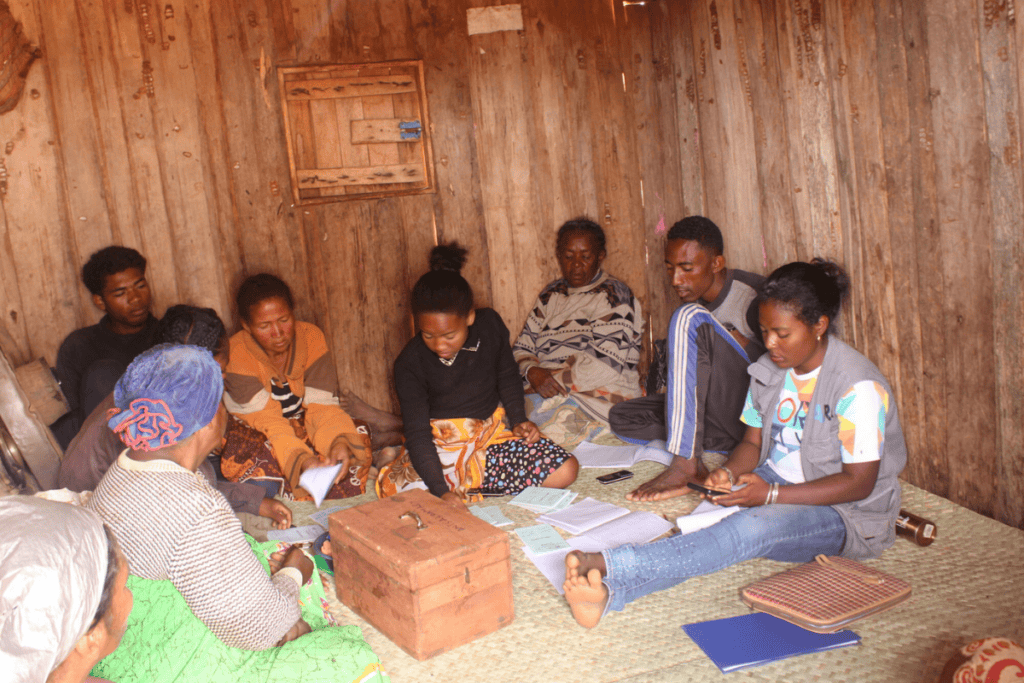
VSLAs, established during an earlier project, continue to play an important role. Community members shared how access to small loans helped them build livelihoods and manage difficult seasons. The region now has 53 active groups with 1,305 members.
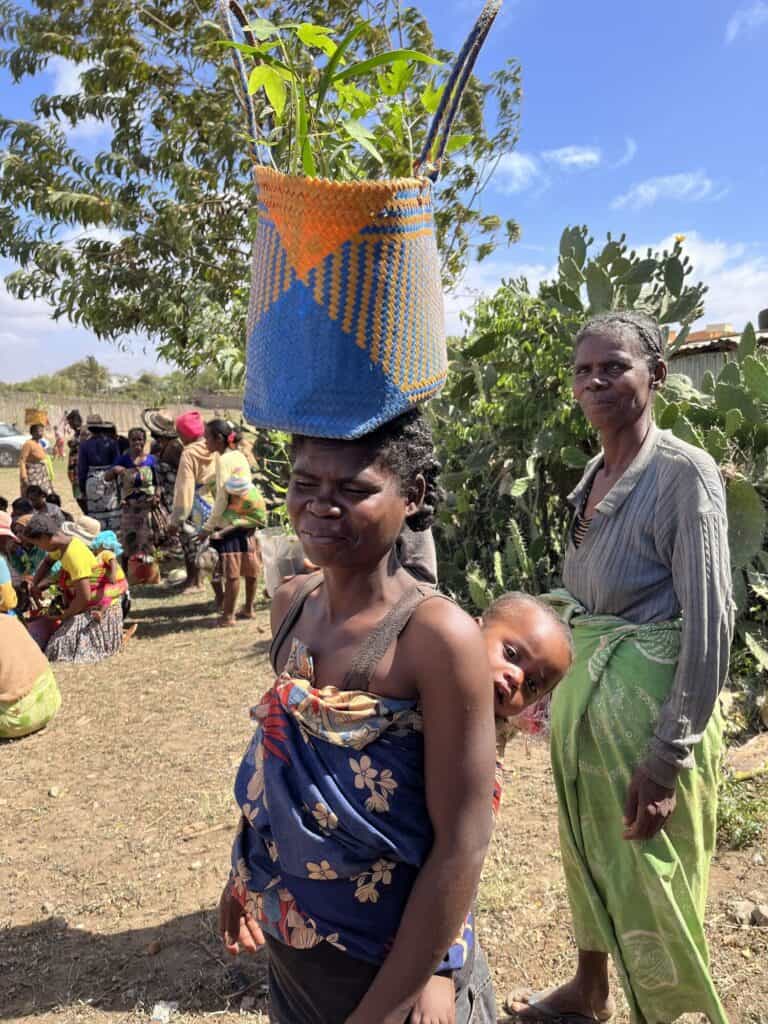
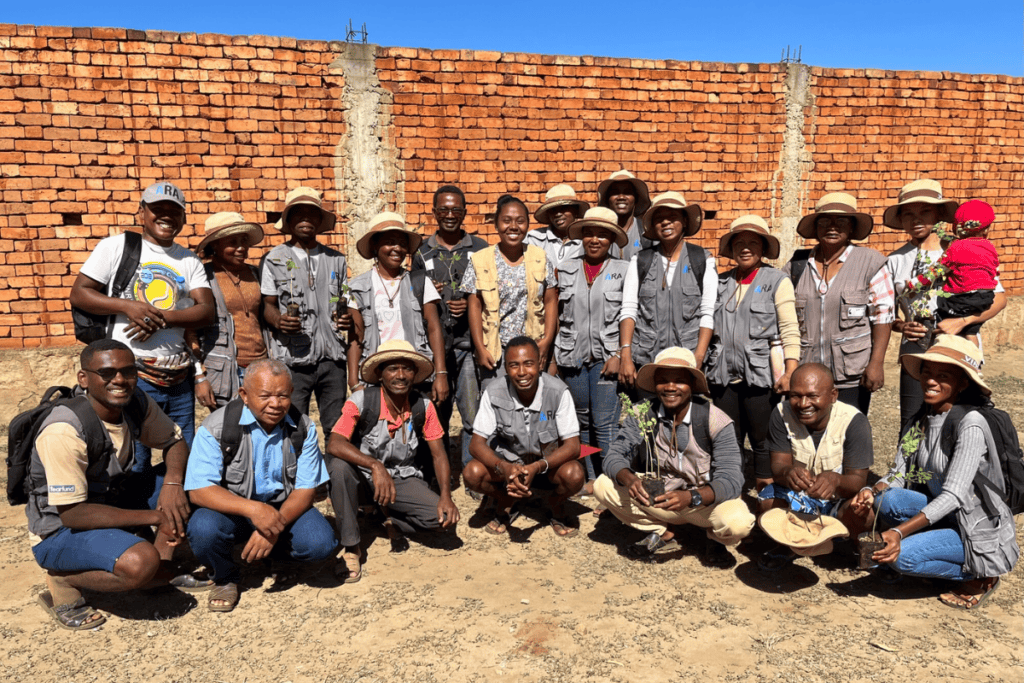
In February 2024, 6,000 tree seedlings were distributed among participating households. Families carried them home in buckets, bags—even hats—ready to plant for the future.
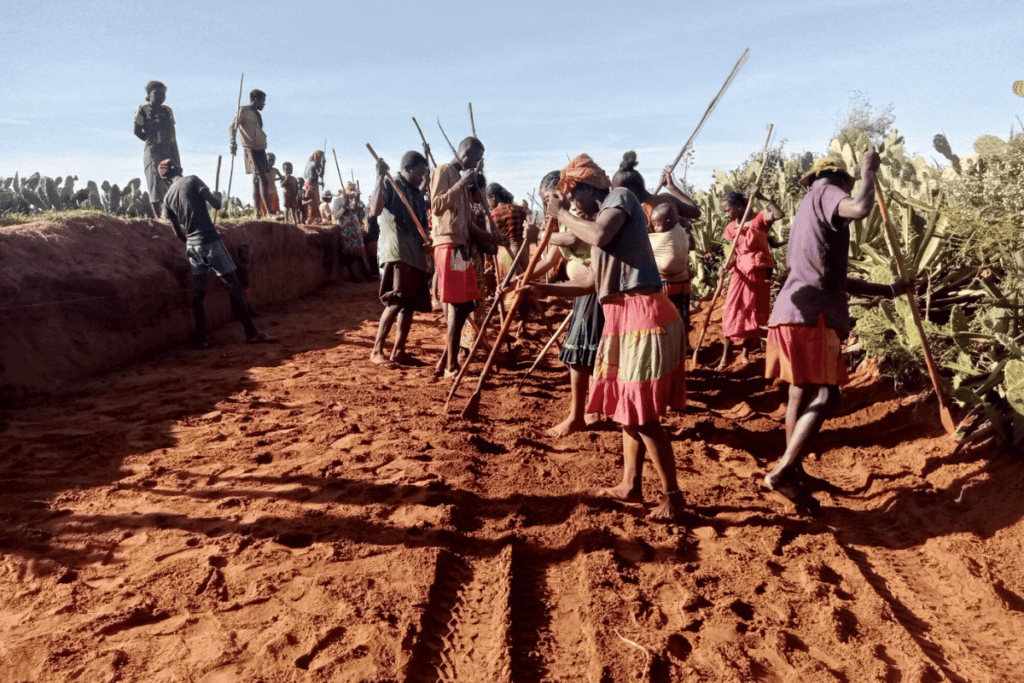
To encourage long-term resilience and avoid dependency on aid, local authorities invite participants to contribute 10 hours of community work each week. One such effort included improving access roads to their villages.
Gratitude and Reflection
“We leave feeling humbled and very grateful to God that we could serve in such a unique way. It has once again been a privilege to be immersed in this culture. Our eyes have been opened to the resilience of the people, their strong relationships, and their deep sense of gratitude in all circumstances.”
The Bergshoeffs also expressed appreciation for the dedicated partner team, led by Cathia. The SAF/FJKM team demonstrated exceptional commitment, professionalism, and warmth throughout the project.
As they say goodbye to the communities they have come to care for, they hold onto hope for the months ahead. May continued progress, strong harvests, and lasting resilience take root in the lives of these families.