
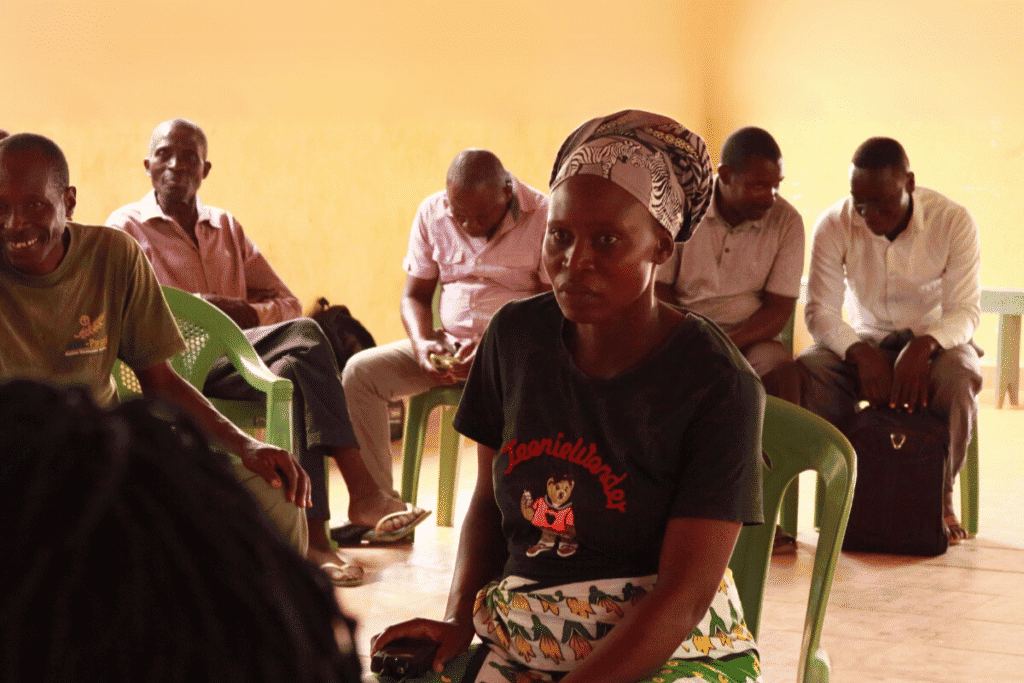
Furaha, 32, is a mother of six—five daughters and one son—and is expecting her seventh child. In 2019, when World Renew and local partner ADS Pwani began a Maternal, Newborn and Child Health (MNCH) program in her community, Furaha did not immediately see its value. Today, she is grateful that she chose to participate.
Furaha had her first four children at home and was responsible for caring for each newborn immediately after birth. By the time her babies were just one week old, she was feeding them porridge. Through the MNCH program, however, her practices began to change.
She learned about the benefits of giving birth at a healthcare facility, where both mother and baby can receive professional care during the critical days following delivery—when many maternal and infant deaths occur. She also discovered the importance of regular prenatal checkups. Furaha shares that, thanks to these checkups and the use of prenatal vitamins, she did not experience the same low energy she had during her earlier pregnancies. In addition, she learned about the importance of exclusive breastfeeding during the first six months of a baby’s life.
“When I visit the clinic for checkups, there’s a lot of learning, and there are a lot of benefits,” said Furaha. “As a pregnant woman, I now know the importance of eating green vegetables. That was stressed at the health facility. Because it can be difficult to access these foods at the market, I received support through the program to establish a kitchen garden in my backyard.”
Alongside starting her kitchen garden, Furaha has made several other important changes to improve her family’s health. “I have also been advised to maintain proper hygiene and sanitation. I now use a dish rack and hang my clothing on a line rather than leaving them on the ground to dry,” she explained. In the past, her children were often bitten by insects that crept into clothing left on the ground. Furaha also began composting and ensuring her family practises proper hygiene, such as washing hands with clean water before eating and handling food.
Through the program, Furaha joined a Village Savings and Loan Association, which she says has contributed to her growing economic independence. She hopes to use these resources to invest in improvements to her family’s farm.
When asked if she is willing to share what she has learned, Furaha responded enthusiastically: “Yes—and I am already teaching my daughters everything that I learned.”
Thank you for your support of World Renew’s maternal, newborn, and child health work. Generosity like yours equips mothers like Furaha with the knowledge, resources, and support they need to nurture healthy families and build more resilient communities.
